


Storms move quickly.
Insurance paperwork does not.
If you are here, something likely happened.
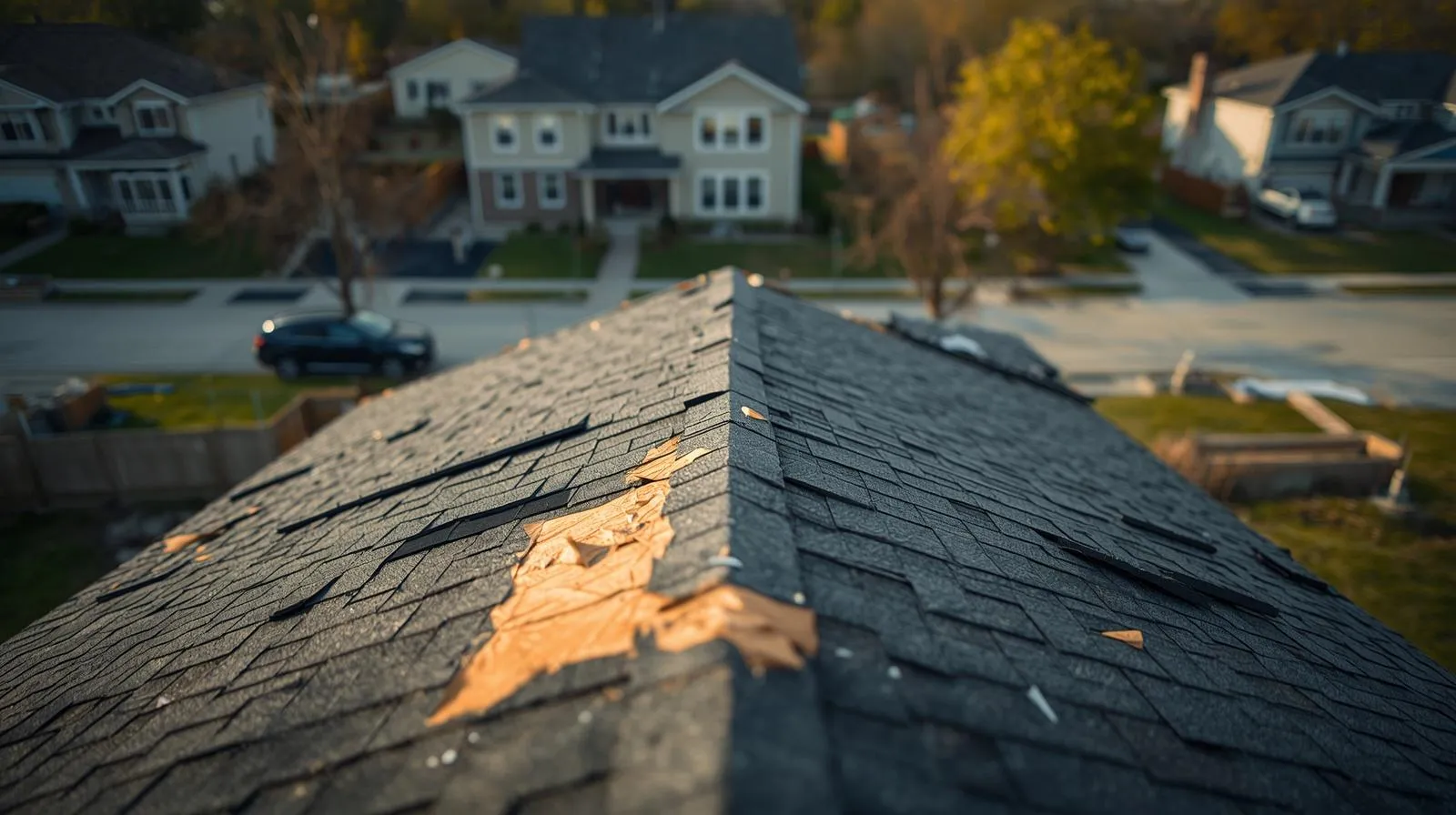
A hailstorm rolled through.
Strong winds affected your area
A neighbor mentioned they were filing a claim.
Or a contractor knocked on your door.
You may be wondering:
Do I need to file?
What qualifies as damage?
What does my deductible actually mean?
Will this raise my premiums?
How do I know who to trust?
A Realistic Starting Point
Not every storm leads to a valid claim.
Not every mark on a shingle is functional damage.
Not every roof should be replaced because hail touched it.
We have seen homeowners pushed into filing claims that were unnecessary. We have also seen legitimate damage ignored because it was not obvious from the driveway.
Our role is not to decide for you.
Our role is to:
- Inspect thoroughly
- Document accurately
- Explain what we found
- Clarify what typically qualifies
- Outline your options
If insurance involvement is not appropriate, we will say that.
If it is, we will guide you through what comes next.

What Typically Qualifies as Roof Insurance Damage
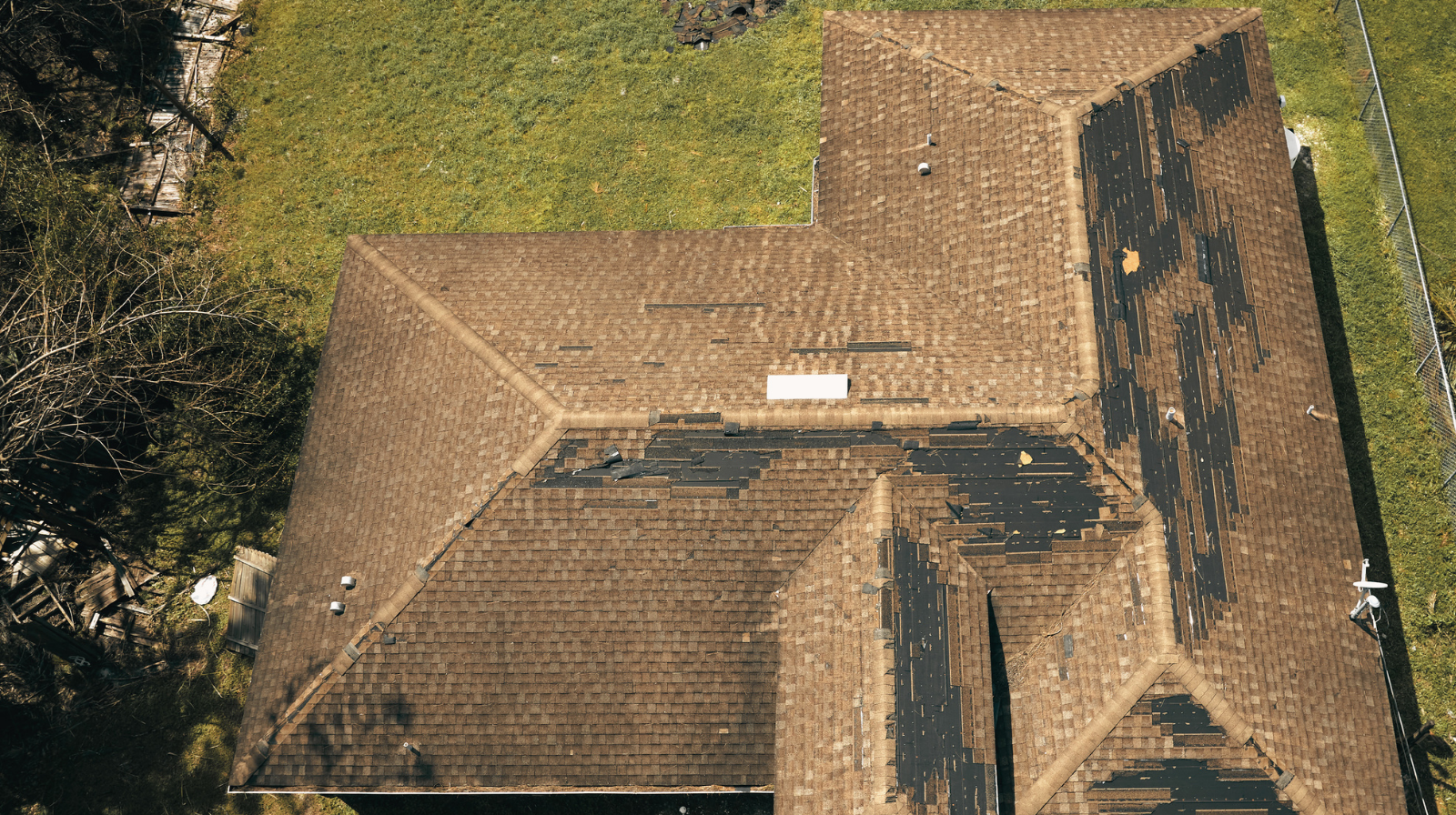
Insurance carriers generally look for functional damage that affects performance.
Common qualifying storm-related issues may include:
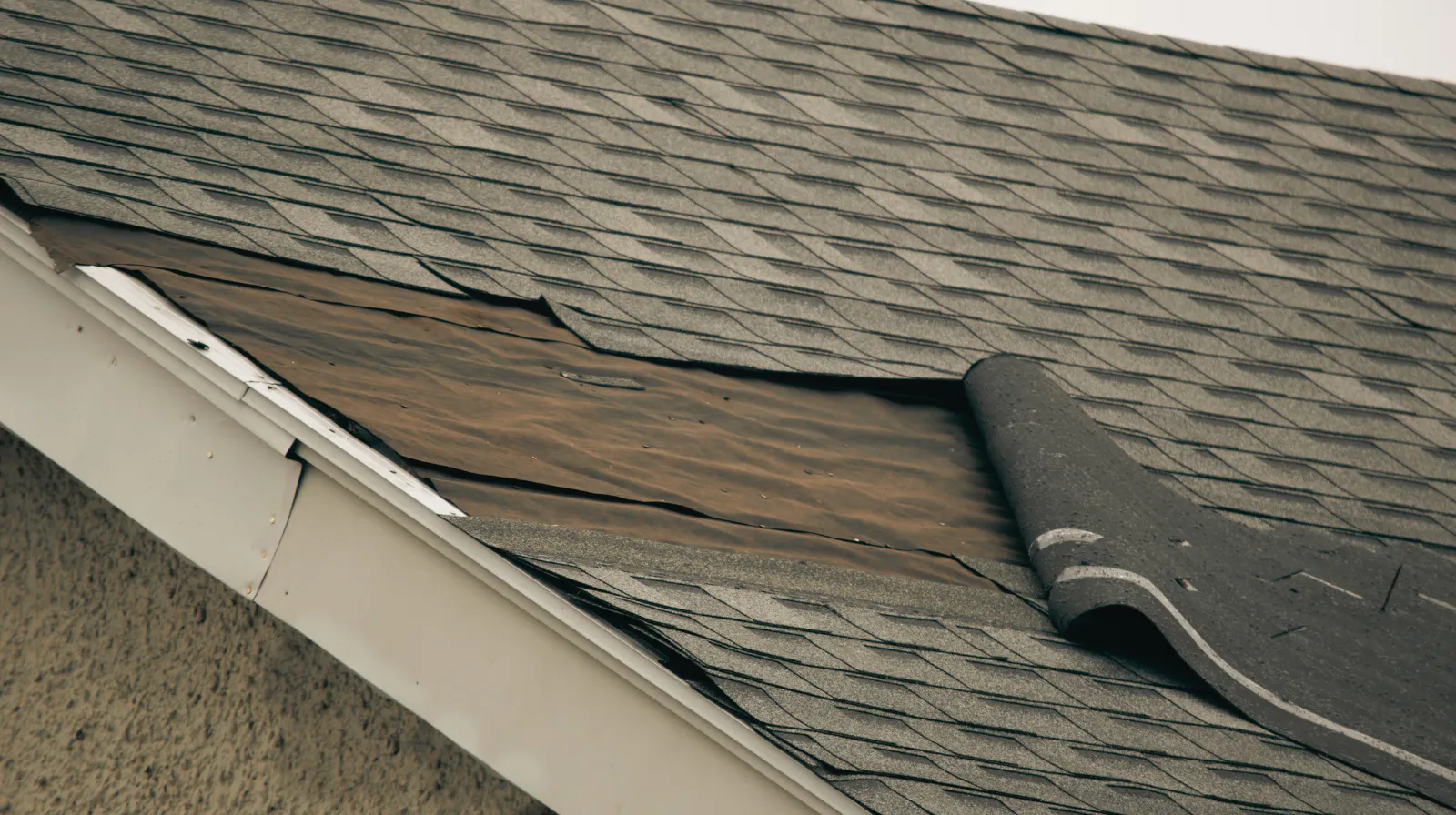
- Hail impact that compromises shingle integrity
- Visible impacts to gutters, window screens, or patio furniture
- Wind-lifted shingles that break seal lines
- Missing shingles
- Siding, fascia, Flashing or gutter displacement
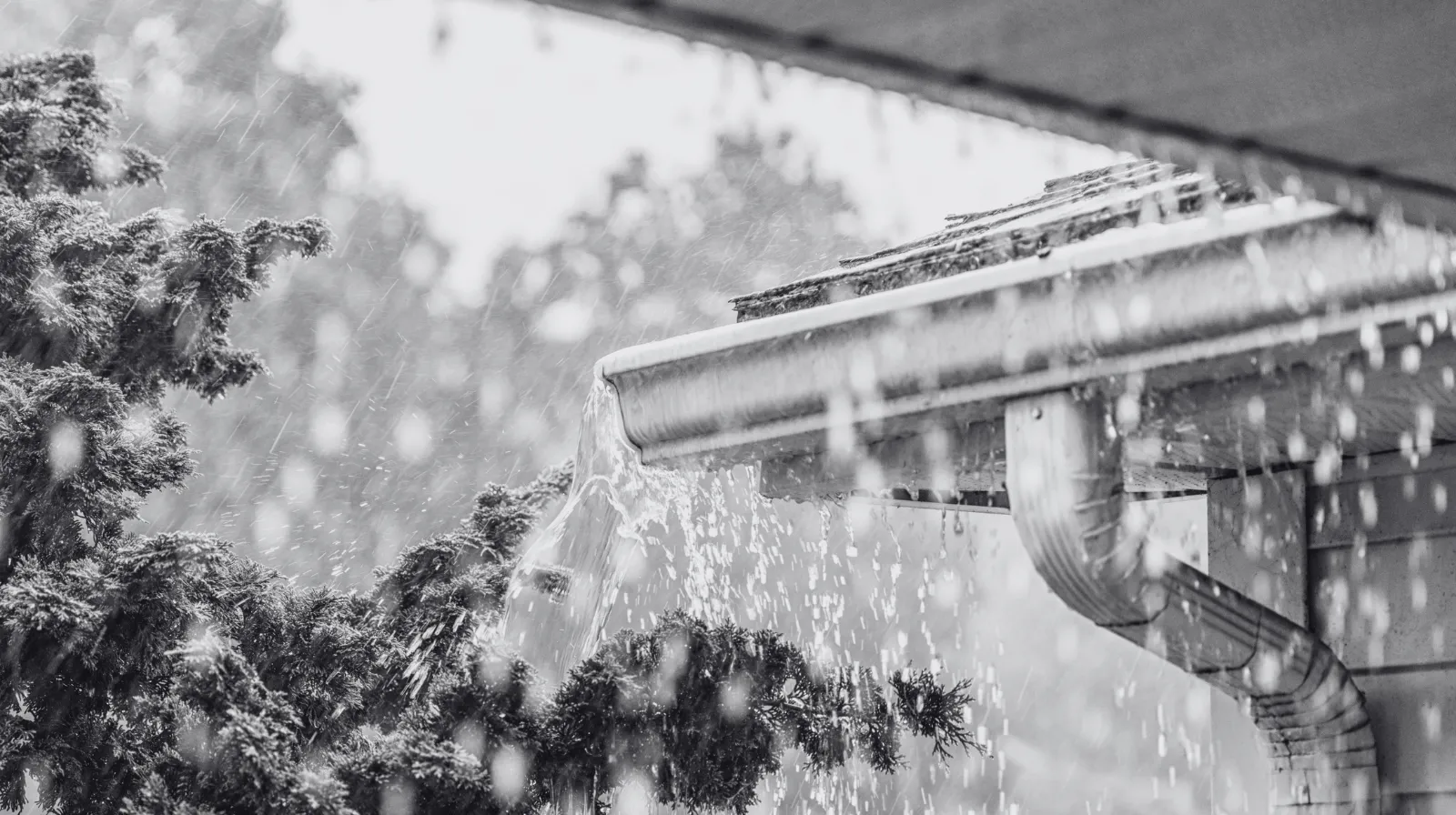
- Water intrusion caused by storm events
Each policy differs. Each situation differs.
That is why documentation matters.

Owens Corning Damage Checklist
How the Insurance Claim Process Usually Works
While every carrier is different, the general process often follows this path:
- Inspection of the roof
- Documentation of damage
- Homeowner files claim
- Adjuster visit
- Scope of loss issued
- Approval or partial approval
- Contract Creation
- Deductible responsibility
- Work scheduled
- Contract Completion
We attend adjuster visits when requested.
We review the scope together.
We do not inflate findings. We do not argue for replacement if it is not justified.
We focus on aligning documented damage with responsible repair or replacement.
If you would like to understand our full project rhythm beyond insurance, review Our Process.
See How Your Roof Could Look
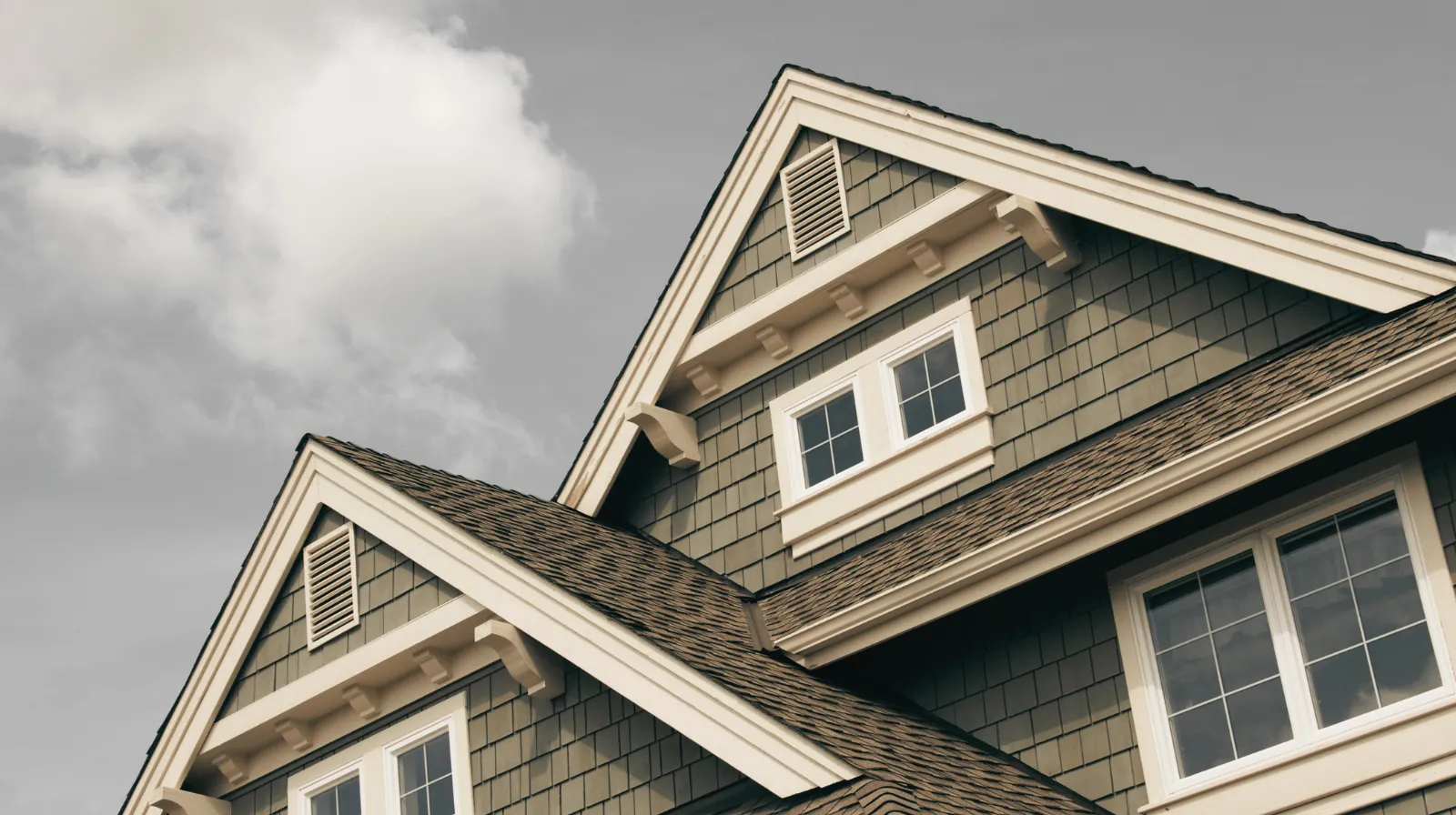
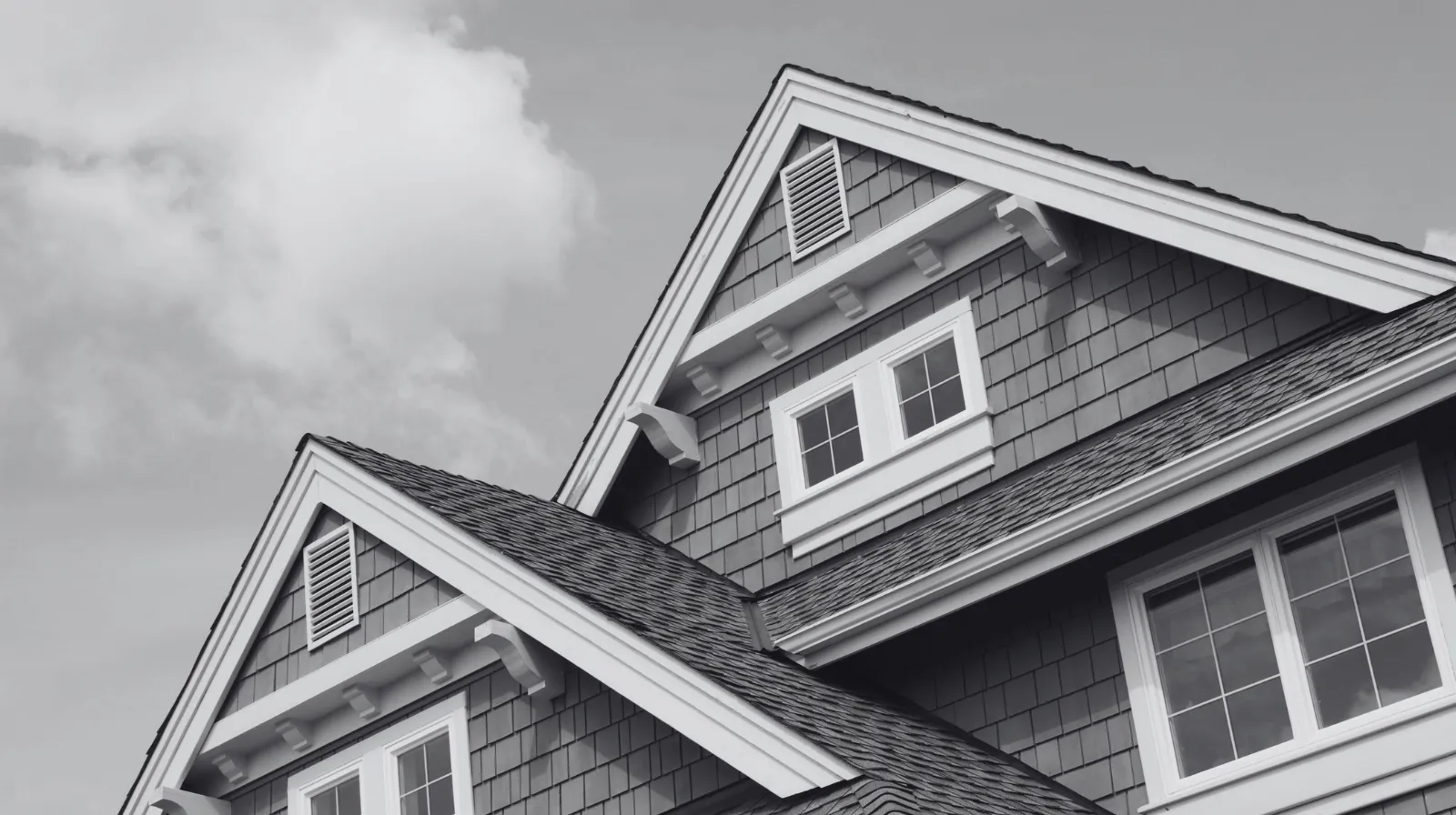
Choosing a shingle color is not always easy.
Homeowners often want to visualize how a new roof will look before making a decision. Use the tool below to visualize Owens Corning shingles on a home similar to yours.
Restoration vs Full Replacement
Insurance approval does not automatically mean full replacement is the only path.
Sometimes partial restoration is appropriate.
We evaluate:
- Extent of damage
- Age of roof
- Repairability
- Matching availability
- Long-term viability
If full replacement becomes necessary, you can explore system options on our Roofing Services page or dive deeper into Roofing Materials and Systems.
What Your Deductible Actually Means
This is one of the most misunderstood parts of storm restoration.
Your deductible is not optional. It is your portion of responsibility under your policy.
Any contractor suggesting otherwise is creating risk.
We walk homeowners through:
- What deductible percentage applies
- How depreciation works
- What actual cash value versus replacement cost means
- What out-of-pocket expenses may look like
If a claim is not approved, we can also discuss alternative solutions or financing through Hearth Financing.

.svg)
When Insurance Is Not the Right Path
Sometimes damage is minor.
Sometimes a roof is aging but not storm-compromised.
In those cases, we discuss:
Repair options
Phased replacement
Maintenance extensions
Financing structures
Our responsibility is to recommend what is right, not what is largest.
View Our Latest Jobs




Start With Inspection
We will:
Inspect carefully.
Photograph thoroughly.
Explain clearly.
Outline your options.
No pressure. No exaggerated urgency.