


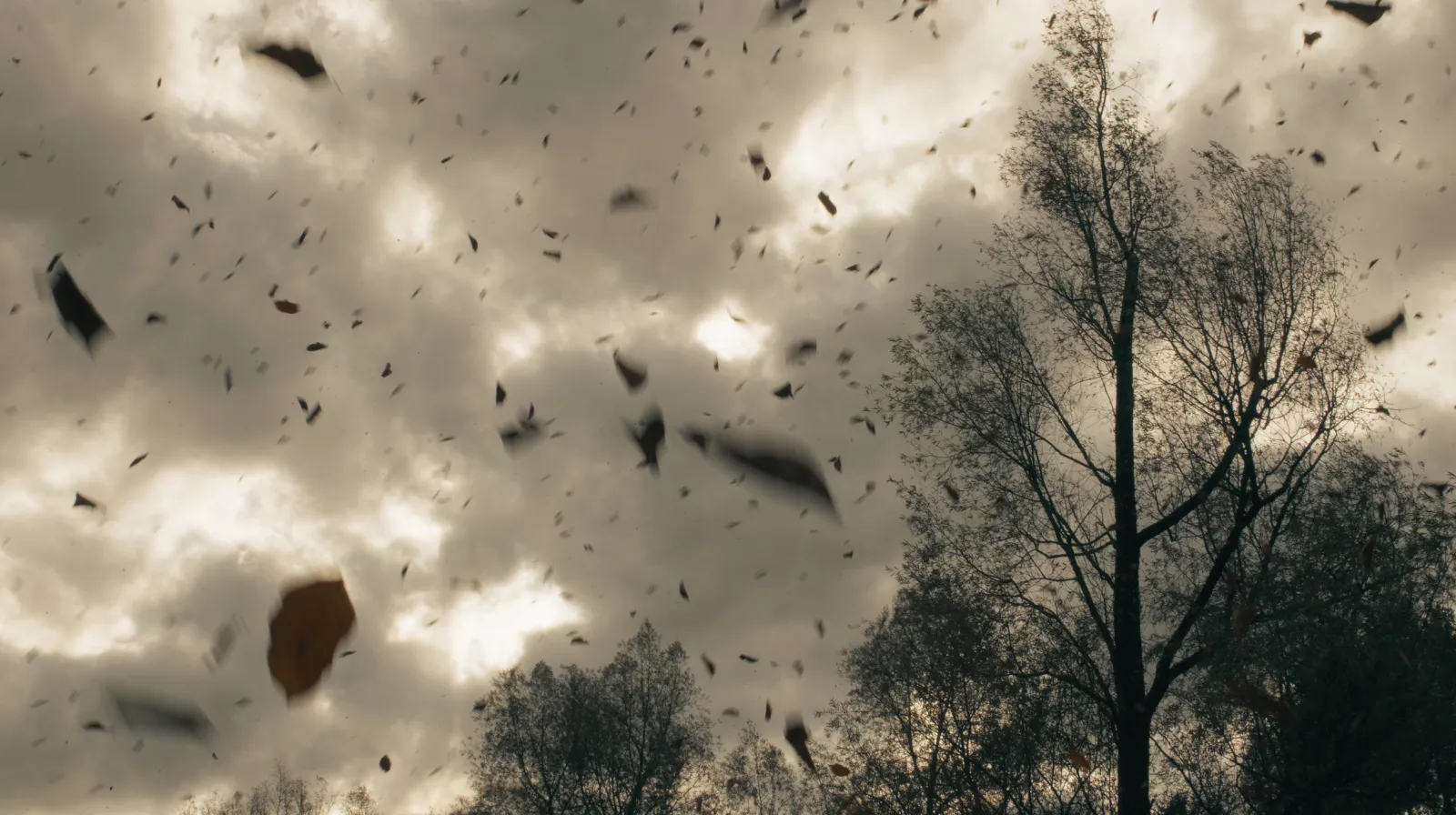
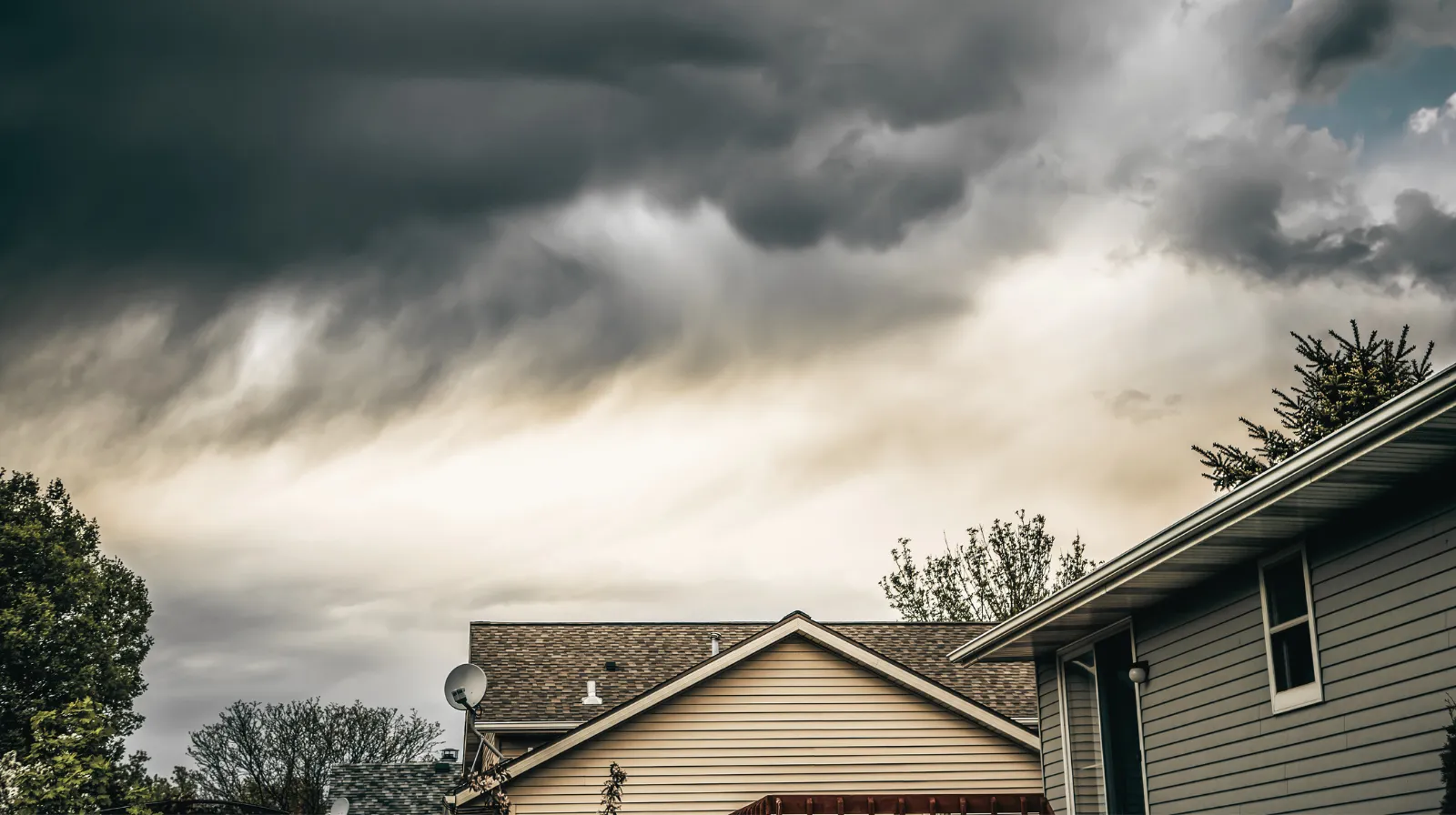
When a storm passes, the damage is not always obvious.
Wind lifts edges you cannot see from the ground.
Hail leaves marks that look minor but weaken shingles over time.
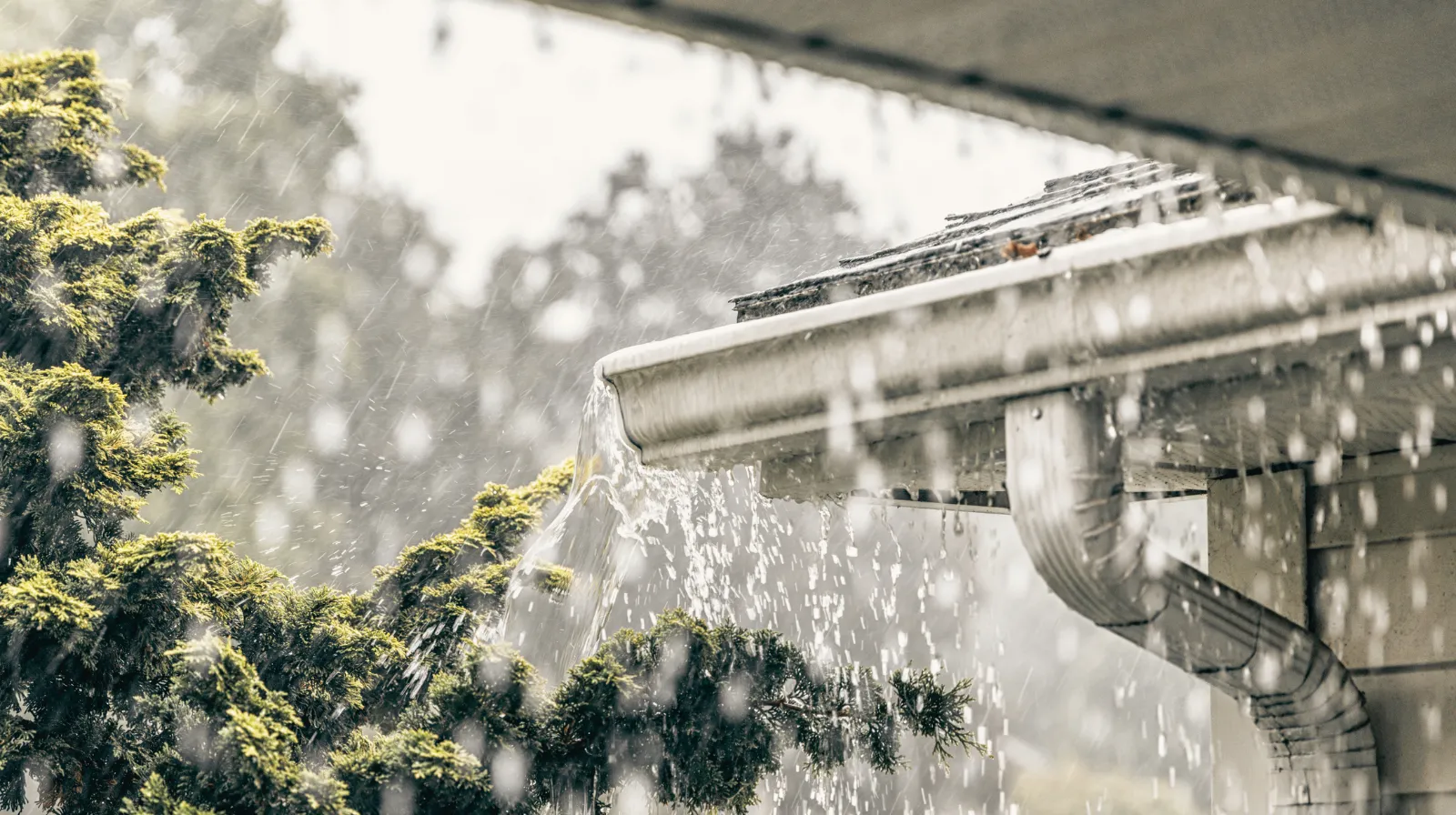
Water finds entry points that show up weeks later.
Roof restoration begins with understanding what actually happened.
Not Every Storm Requires a Claim
This matters.
Many homeowners are pressured immediately after a storm. We take a different approach.
During restoration inspections, we determine:
- Whether damage is present
- Whether damage is functional or cosmetic
- Whether repair is appropriate
- Whether replacement is responsible
- Whether insurance involvement makes sense
If insurance is not necessary, we will say that.
If it is appropriate, we help you understand what to expect.
For more detailed insurance information, visit our Insurance Claims Guidance page.
What Roof Restoration Actually Means
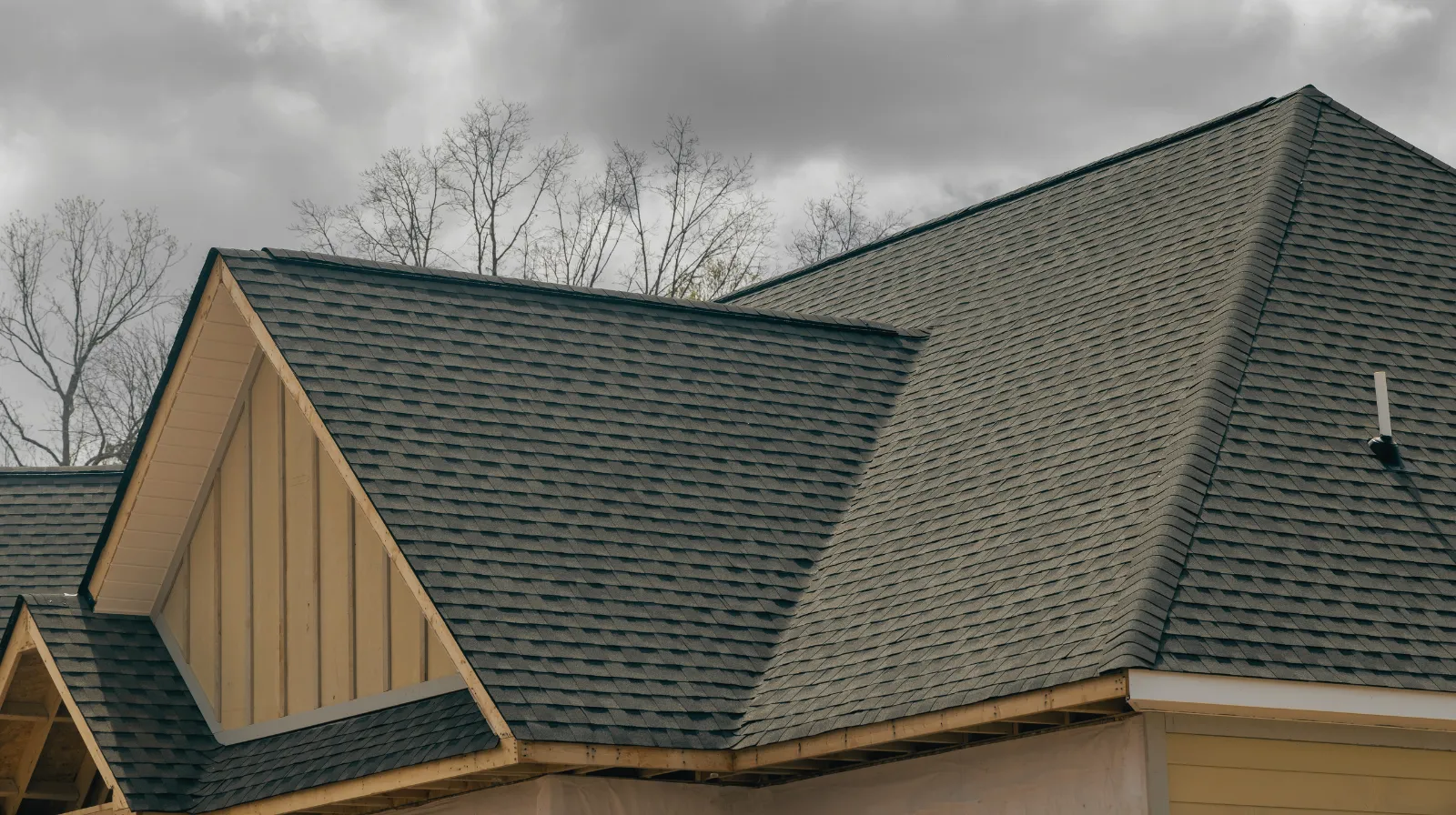
Restoration is not always a full replacement.
It can include:
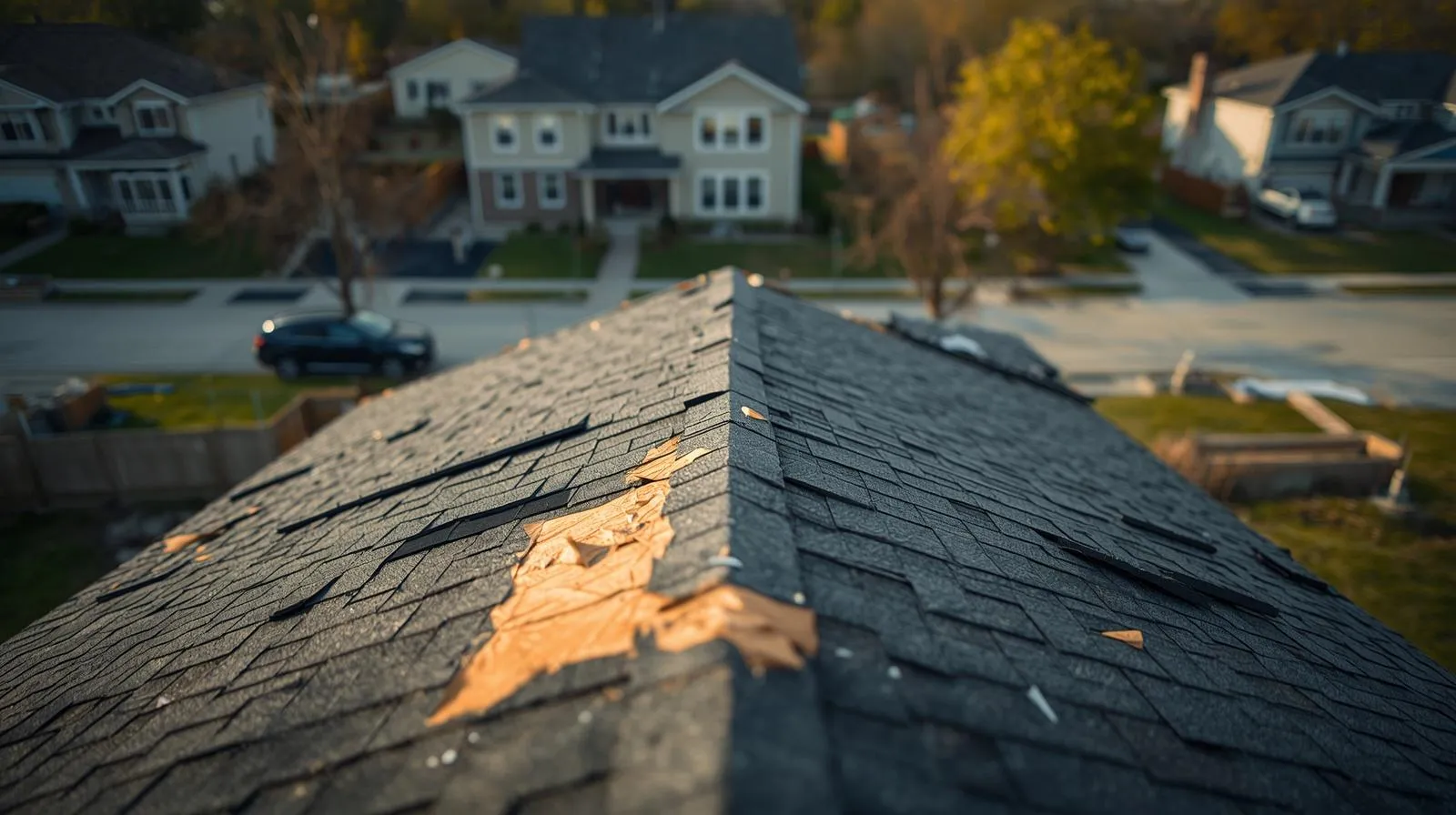
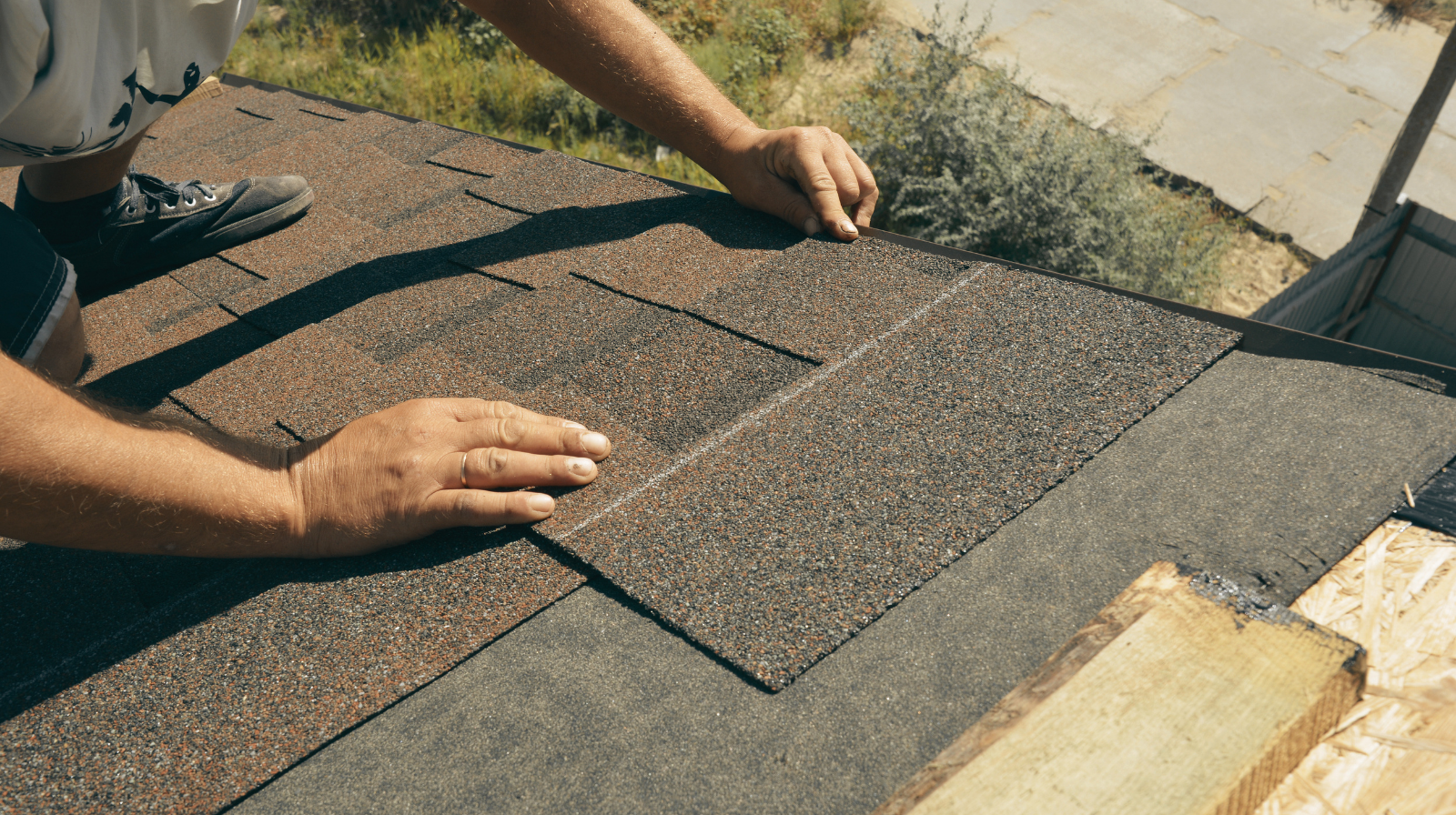
- Targeted shingle replacement
- Flashing corrections
- Vent boot repair
- Ridge cap replacement
- Water intrusion corrections
- Partial system rebuild
When restoration is possible, it preserves value and reduces cost.
When damage compromises the full system, we explain replacement options clearly.
If replacement becomes necessary, you can review our full Roofing Services page.


The Restoration Inspection Process
Storm-related roofing issues require documentation.
Our inspection includes:
- Close-up photography
- Impact pattern review
- Shingle flexibility testing
- Flashing inspection
- Attic review when appropriate
We provide documentation you can use whether you choose to file a claim or not.
Transparency reduces confusion later.
If you would like to understand our overall approach to projects, review Our Process.

.svg)

What Restoration Is Not
Restoration is not:
- Door-to-door pressure
- Immediate replacement recommendations
- Inflated damage claims
- Temporary patch jobs disguised as long-term solutions
It is careful evaluation followed by responsible action.
Signs You May Need Roof Restoration
You may notice:
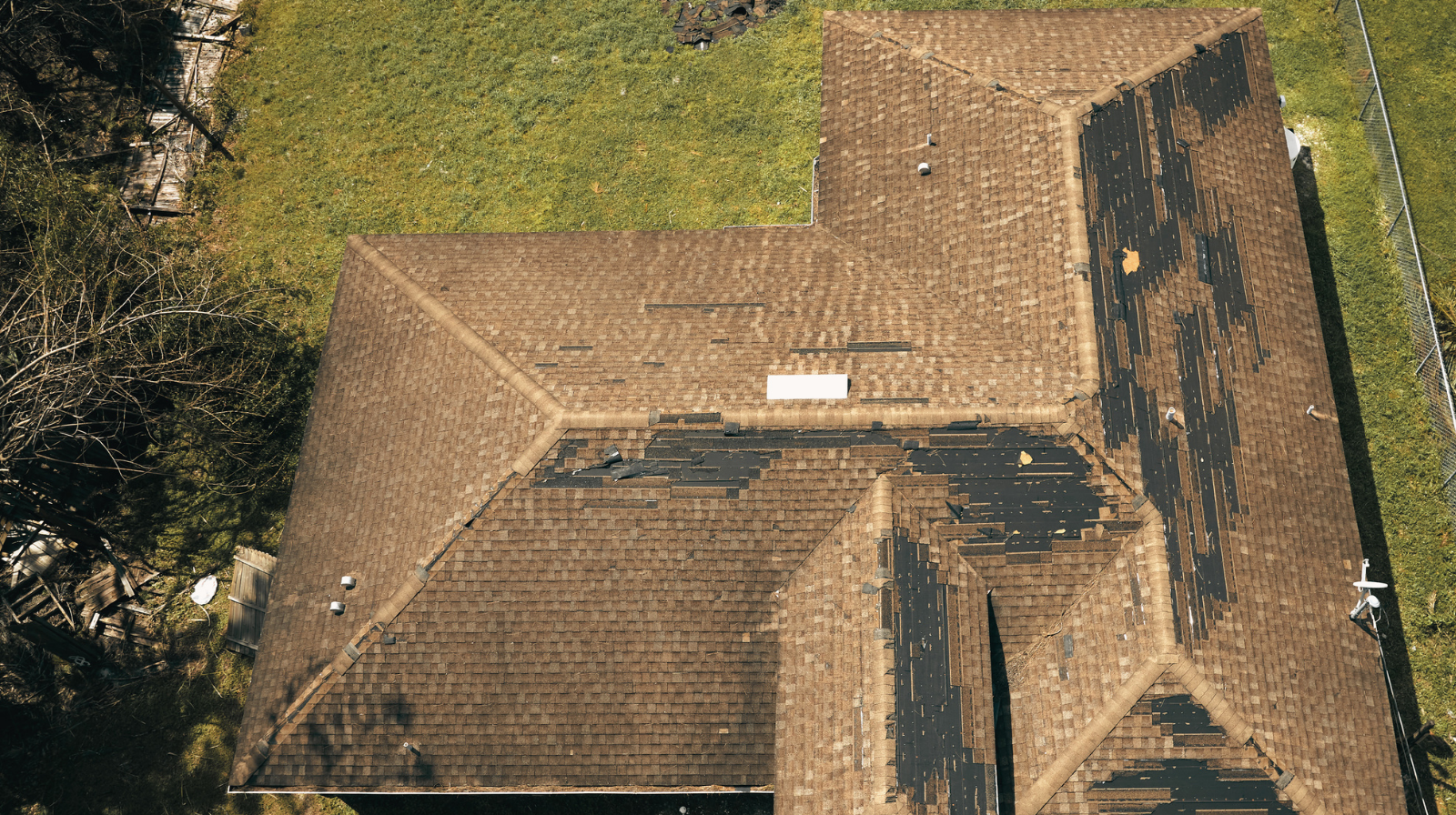
- Shingles lifted or missing
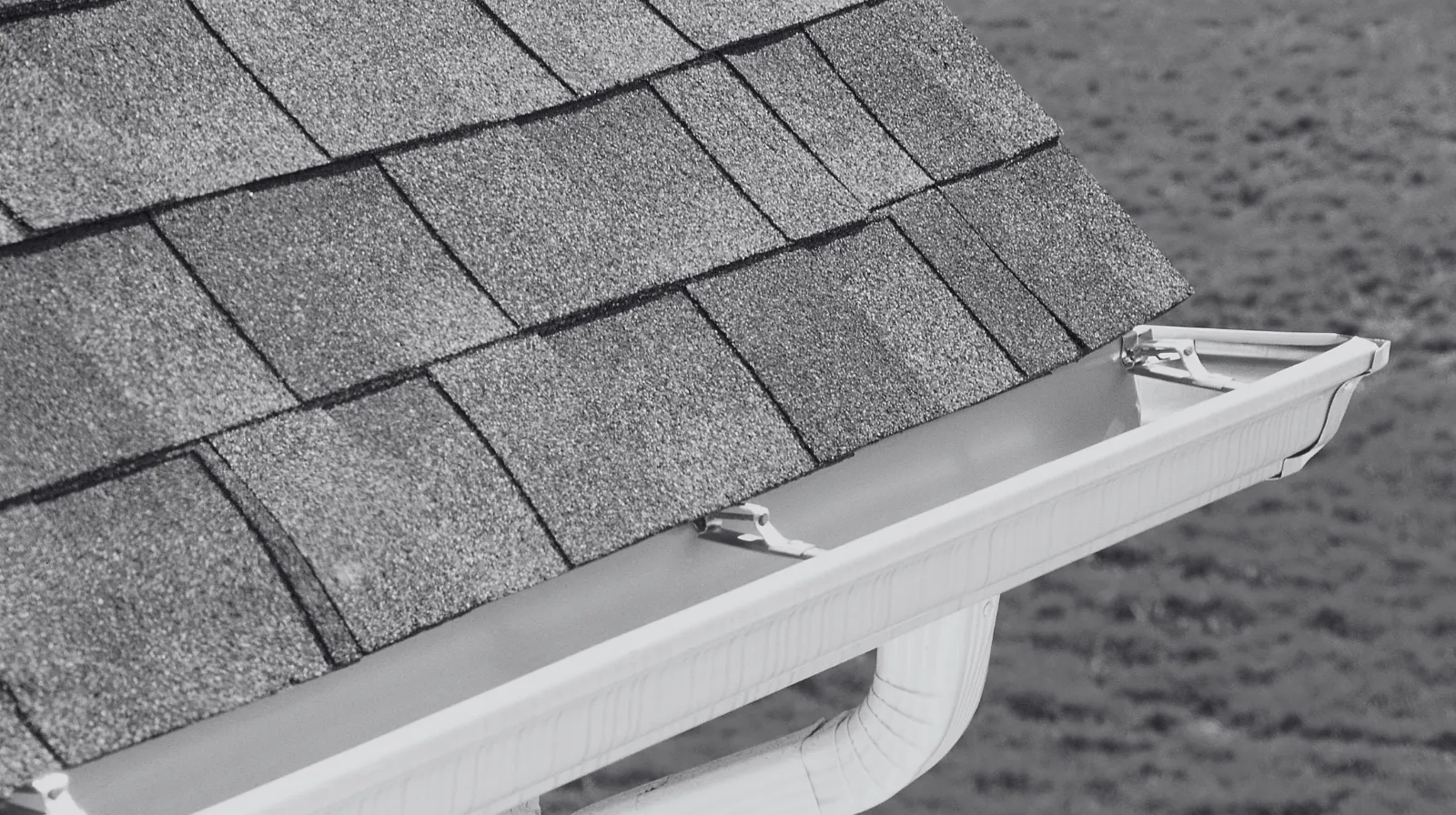
- Granules collecting in gutters
- Interior water stains
- Flashing separation
- Dented vents or metal components
You may also notice nothing at all.
Many storm-related issues are not visible from the driveway.
If a recent storm has passed through your area, inspection is the safest starting point.
Start With a Storm Inspection
We will:
Inspect carefully.
Document thoroughly.
Explain your options.
No pressure. No exaggerated urgency. Just steady guidance.