

The Storm Passed. Now What?
It usually starts quietly.
The wind dies down. The rain lets up. The neighborhood looks mostly intact. Maybe a few branches in the yard. Nothing that feels urgent.
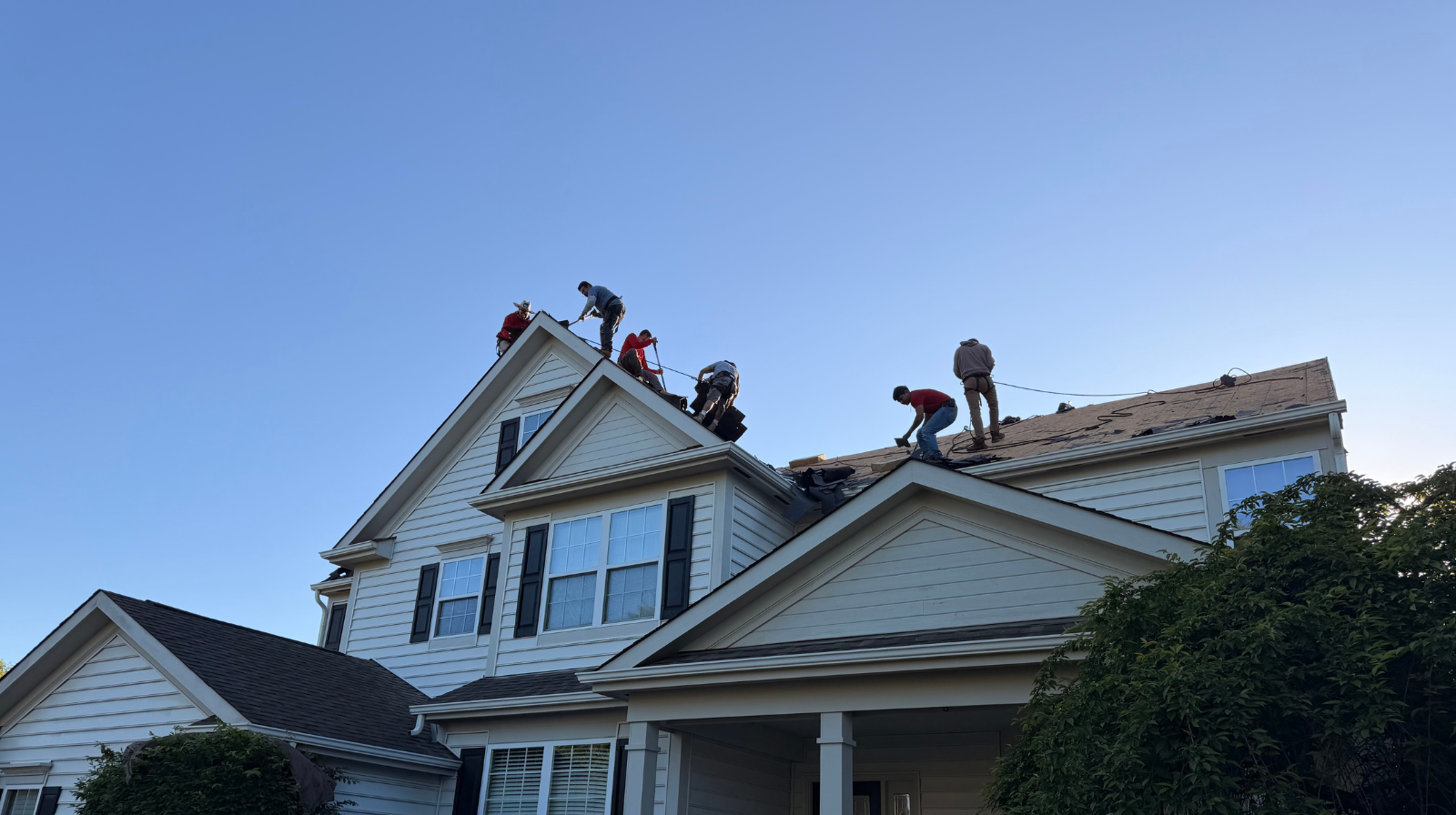
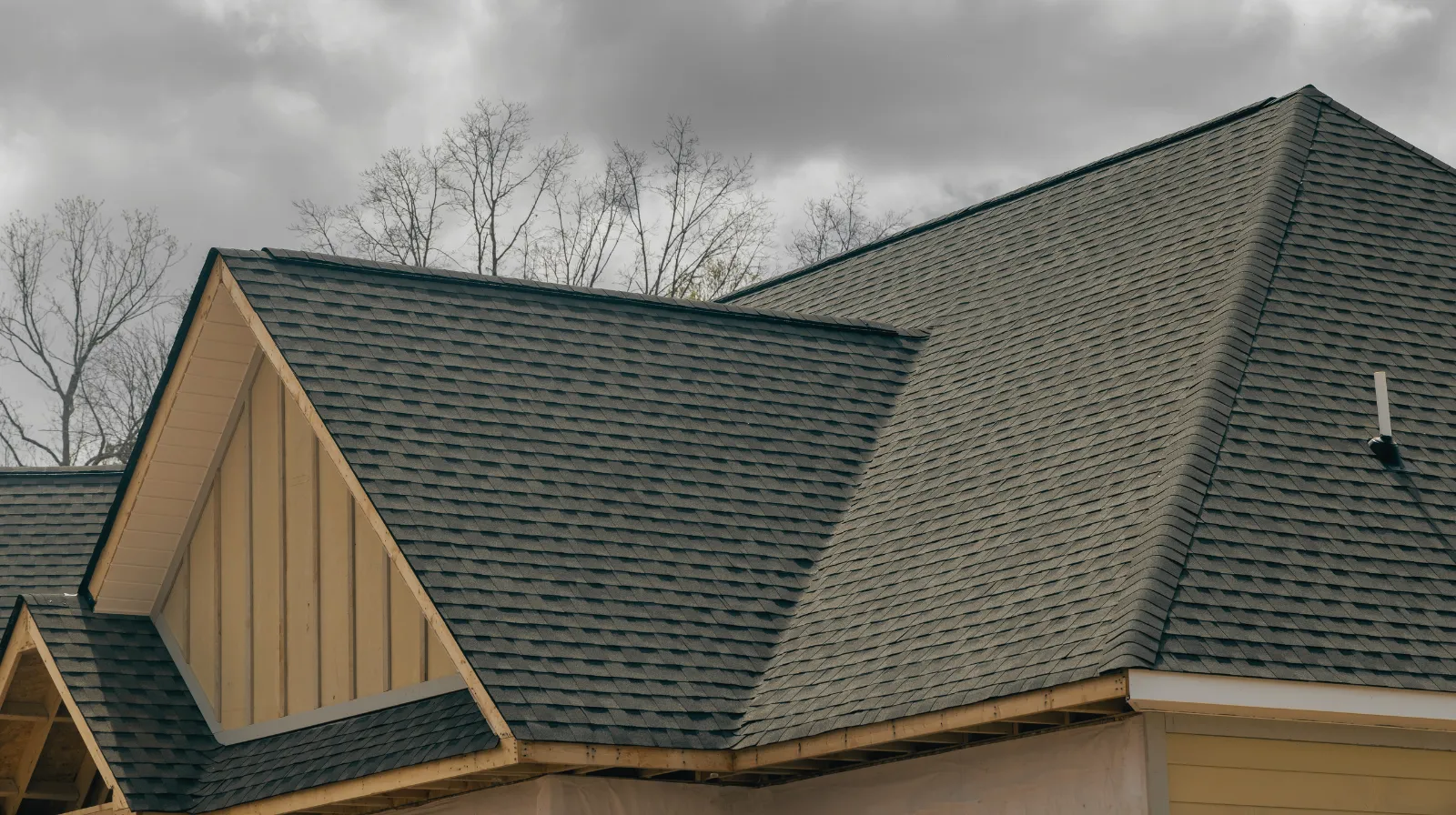
From the ground, your roof might look fine.
But that does not mean it is.
In Ohio, especially across the Cincinnati, Dayton, and Columbus region, storm damage is often subtle at first and serious over time. What looks like a few lifted shingles can turn into leaks, insulation damage, and structural issues if it is left unaddressed.
This is where most homeowners get stuck.
You are not trying to overreact.
You are also not trying to ignore something that could get worse.
So the question becomes simple:
How do you actually know if your roof was damaged?
What Storm Damage Actually Looks Like (And Why It’s Easy to Miss)
Storm damage does not always mean shingles scattered across your yard.
In fact, the most common issues are the ones you cannot easily see.
Wind Damage Is Often the First Problem
Strong wind can:
- Lift shingles without fully removing them
- Break the seal that protects your roof from water
- Loosen edges that will continue to fail over time
A shingle that lifts once rarely goes back to performing the same way again.
Hail Damage Is More Subtle Than People Expect
Hail damage often appears as:
- Small impact marks
- Granule loss
- Soft spots in shingles
- Hidden weakening of the material
From the ground, this is almost impossible to identify accurately.
Damage Can Be Directional
Storms rarely hit evenly.
You might see damage on:
- One slope of the roof
- One side of the home
- Areas facing prevailing wind
This is why a quick glance from your driveway is not enough.
If you want a full breakdown of how we evaluate these conditions, you can review our roofing services page where we outline how inspections are handled step by step.
Early Warning Signs You Should Not Ignore
You do not need to climb on your roof to start identifying potential issues.
There are a few signs that are worth paying attention to.
Inside Your Home
Sometimes the first signs appear inside:
- Water stains on ceilings
- Damp attic insulation
- Musty smells after rain
These are often delayed indicators of exterior damage.
Around Your Property
Walk your property after a storm and look for:
- Shingle pieces in the yard
- Granules in gutters or downspouts
- Bent or displaced flashing
- Debris impact areas
Even one of these signs is worth a closer look.
Changes in Your Roof’s Appearance
If something looks different, it usually is.
Look for:
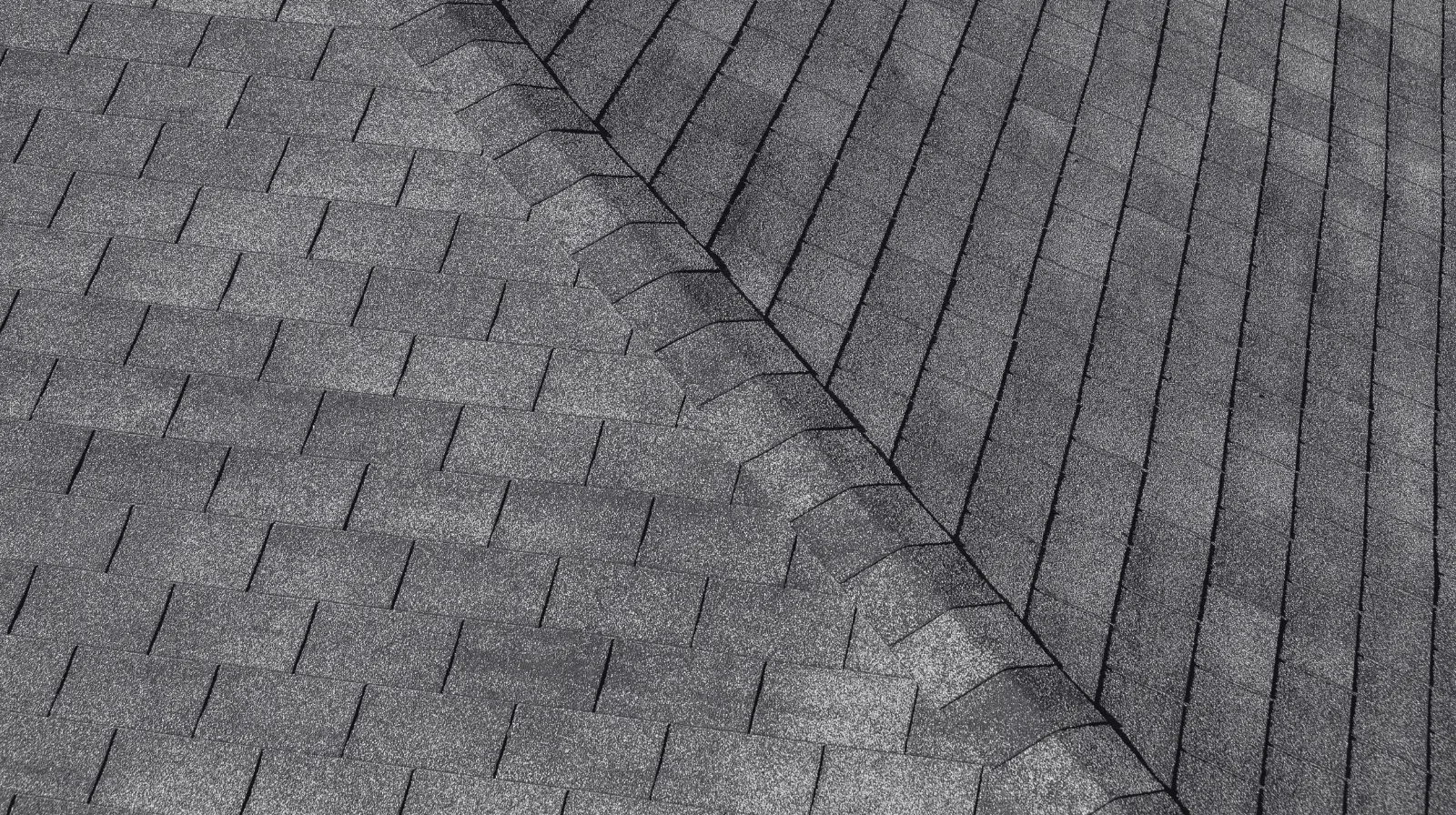
- Uneven shingle lines
- Dark patches
- Missing sections
- Edges that appear lifted
You do not need to diagnose it. You just need to notice it.
Why Waiting Can Cost You More
One of the most common mistakes homeowners make is waiting too long.
Not because they are careless.
Because they are unsure.
The problem is that roof damage rarely stays the same.
Small Issues Become Larger Repairs
A lifted shingle becomes:
- Water intrusion
- Decking damage
- Interior repairs
What could have been a simple repair becomes a full replacement.
Insurance Timelines Matter
Most policies have time limits.
If damage is not documented within a certain window, coverage may be reduced or denied.
If you are unsure how this process works, our insurance claim guidance page walks through what homeowners should expect.
Delays Create Unnecessary Stress
The longer something sits unresolved, the more uncertainty builds.
A simple inspection can remove that uncertainty quickly.
What a Professional Roof Inspection Actually Looks Like
There is a lot of confusion around inspections.
Some homeowners expect a sales pitch.
Others expect a quick glance.
A proper inspection is neither.
What We Look For
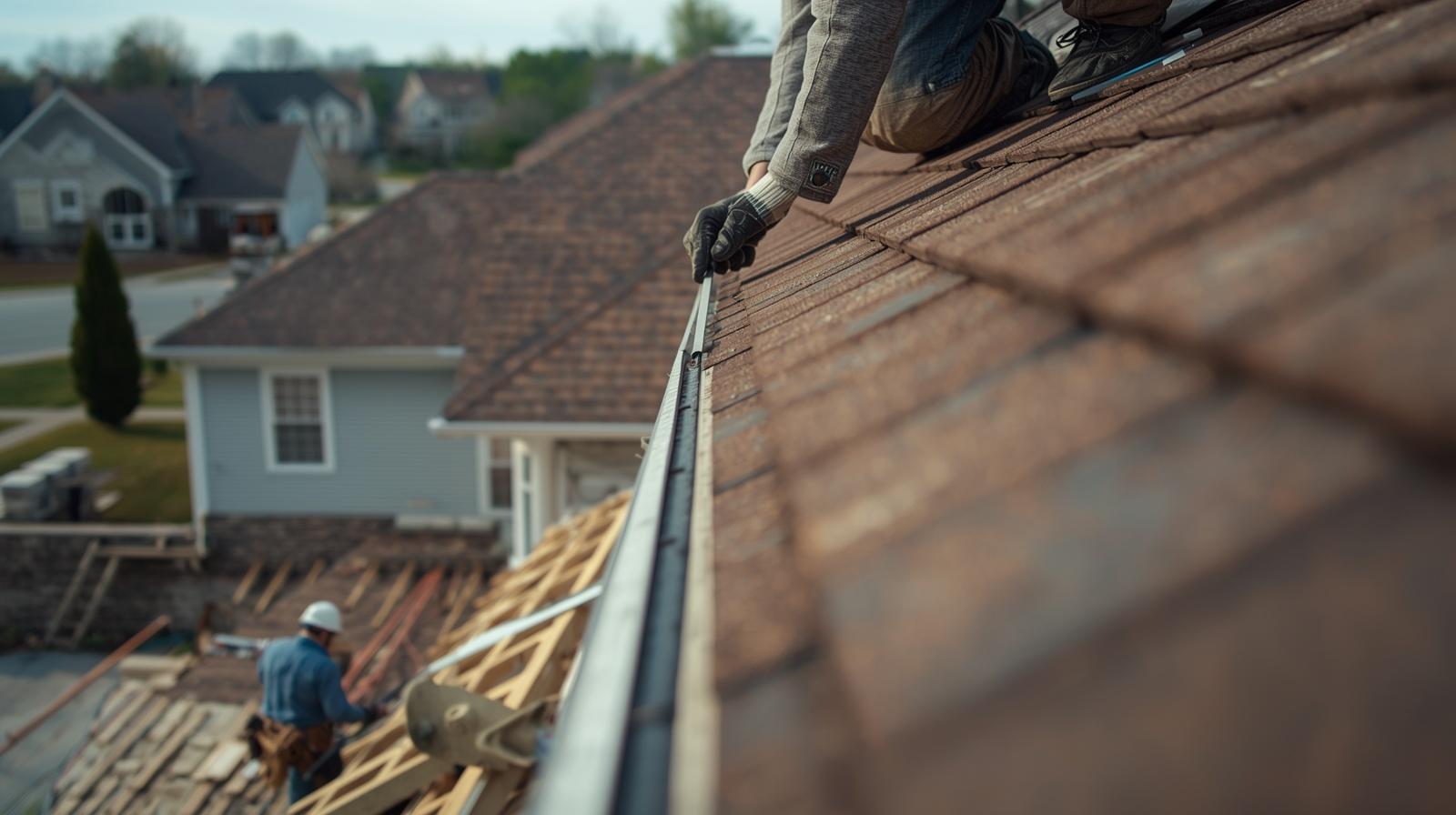
A thorough inspection includes:
- Shingle condition and adhesion
- Flashing integrity
- Ventilation components
- Decking signs
- Storm impact patterns
What You Get From It
You should walk away with:
- A clear understanding of what is happening
- Photos or documentation when needed
- Honest guidance on next steps
Not pressure.
Not assumptions.
Just clarity and direction.
You can also review our full process to understand how we approach inspections and communication from start to finish.
Do You Always Need a Full Roof Replacement?
No.
And this is where honest guidance matters most.
Sometimes It Is a Repair
If damage is isolated, repair may be the right move.
Sometimes It Is a Larger Issue
If damage is widespread or the roof is already aging, replacement may be more practical.
The Right Answer Depends on Your Roof
There is no one-size-fits-all answer.
That is why inspection comes first.
How to Take the Next Step Without Overthinking It
If you are asking whether your roof has storm damage, that is already a good signal.
You do not need to have the answer before reaching out.
You just need to take the next step.
Start With an Inspection
A simple inspection can:
- Confirm whether damage exists
- Show you exactly what is happening
- Help you understand your options
Keep It Low Pressure
The goal is not to rush into a decision.
The goal is to replace uncertainty with information.
A Simple Way to Think About It
You are not calling because something is wrong.
You are calling to make sure nothing is.
That is a very different mindset.
And it is the right one.
Ready for a Clear Answer?
If you suspect your roof may have been affected by a recent storm, we are here to help.
We will take a look, explain what we see, and walk you through what comes next.
No pressure. No assumptions.
Just a clear path forward.
Start with a roof inspection
Or learn more about our roof restoration services