

Let’s Start With the Question Everyone Is Asking
“How much does a new roof cost?”
It is one of the first questions homeowners ask.
And it is also one of the hardest to answer without context.
You might see numbers online.
You might hear ranges from neighbors.
You might even get wildly different quotes.
That does not mean anyone is trying to mislead you.
It just means roofing is not one-size-fits-all.
The goal here is not to give you a vague number.
The goal is to help you understand what actually drives the cost, so you can make a decision with confidence when the time comes.
Why Roof Pricing Can Vary So Much
Two homes on the same street can have completely different roofing costs.
That is not unusual.
It comes down to a few key factors.
1) Size of Roof
This is the starting point.
Larger roofs require:
- More materials
- More labor
- More time
But size alone does not tell the full story.
2) Roof Complexity
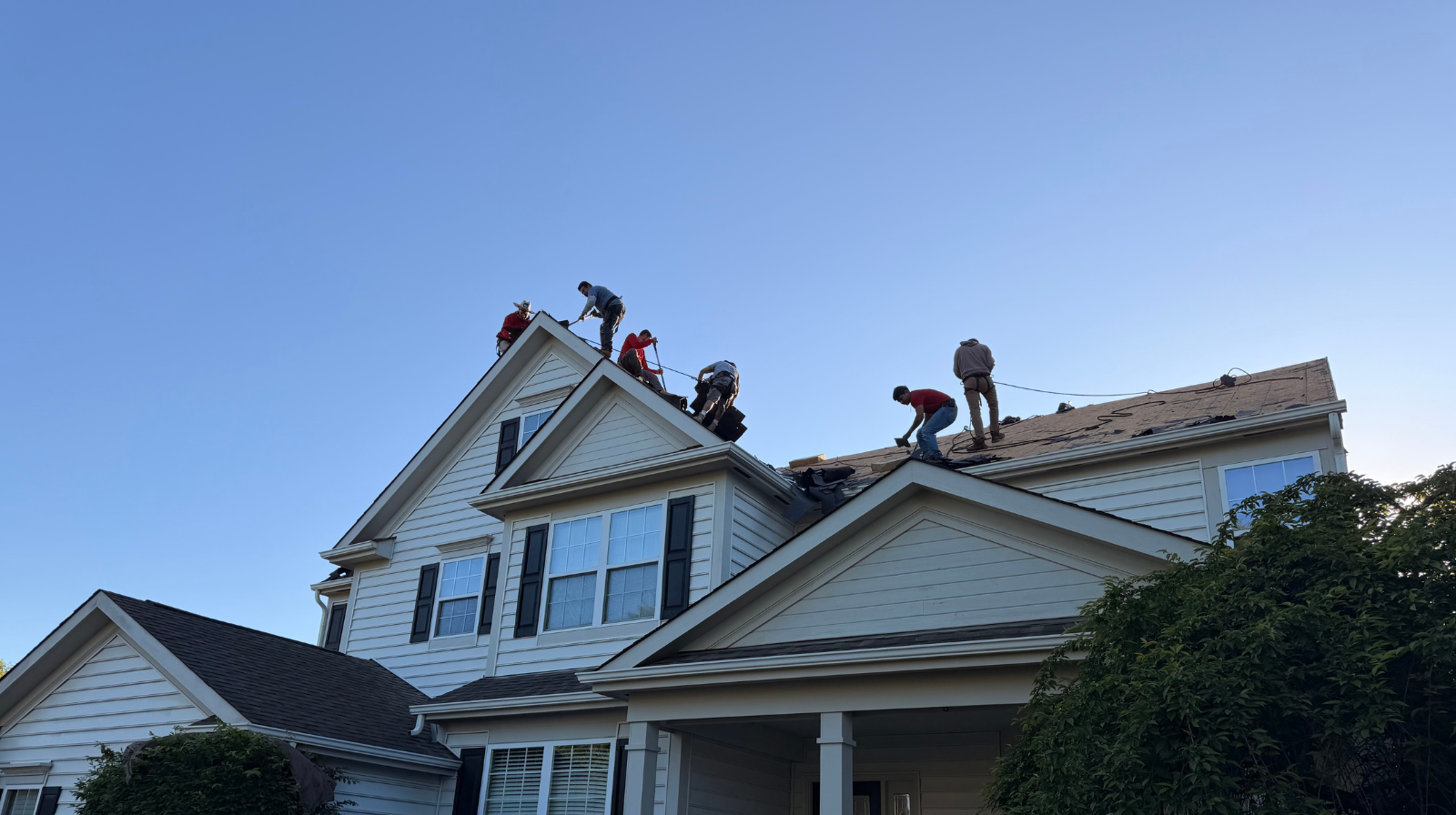
A simple roof is very different from a complex one.
Things that increase complexity:
- Multiple slopes
- Steep pitch
- Valleys and dormers
- Chimneys and skylights
More complexity means more detailed work and more time.
3) Tear-Off and Existing Layers
Some homes have multiple layers of shingles.
Before installing a new roof:
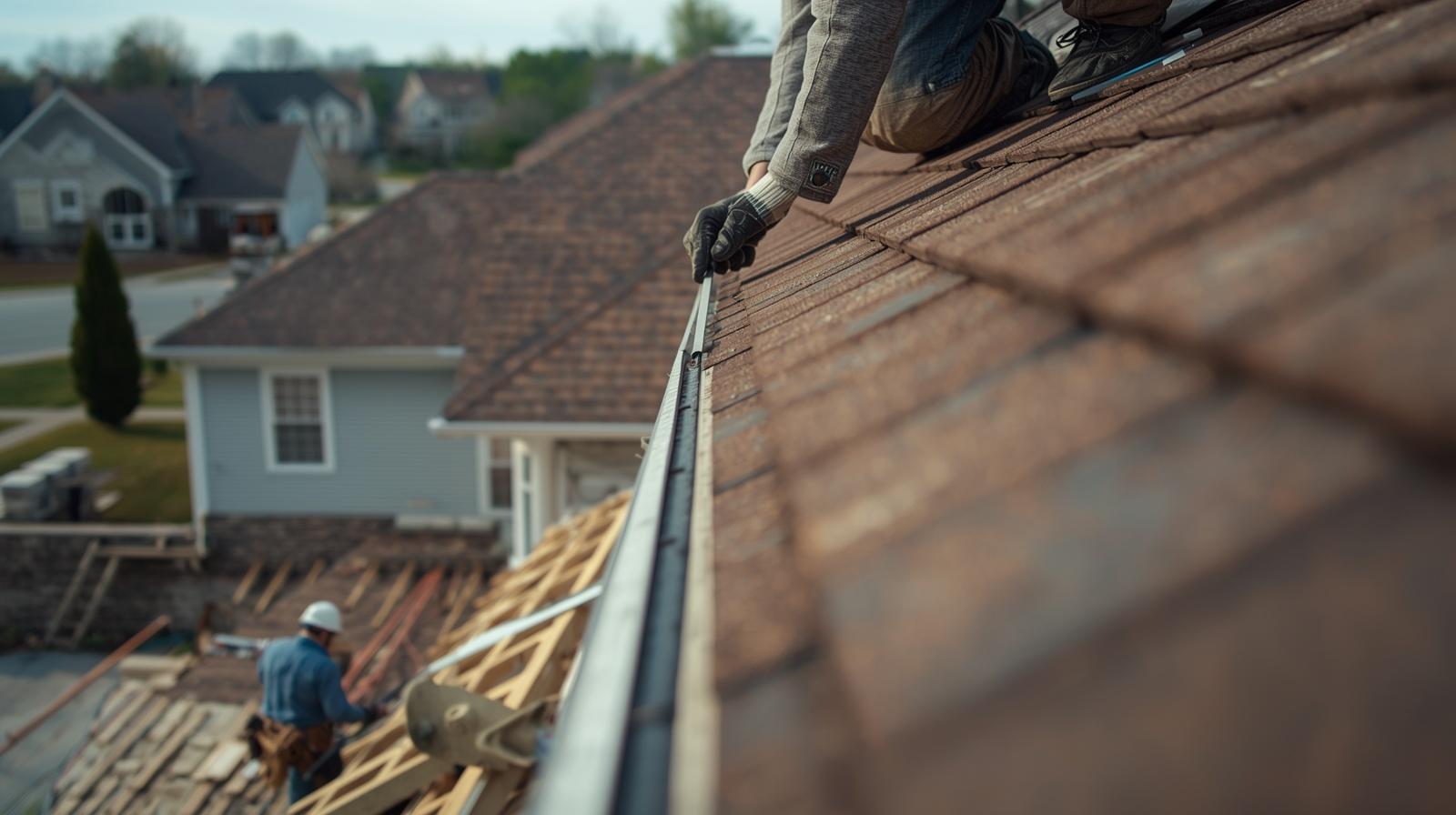
- Old material may need to be removed
- Decking may need to be inspected or replaced
This adds labor and disposal costs.
4) Condition of the Roof Deck
The deck is the foundation beneath your shingles.
If it is damaged:
- Sections may need replacement
- Structural integrity must be restored
This is often discovered during installation, not before.
5) Ventilation and System Components
A roof is not just shingles.
It includes:
- Ventilation systems
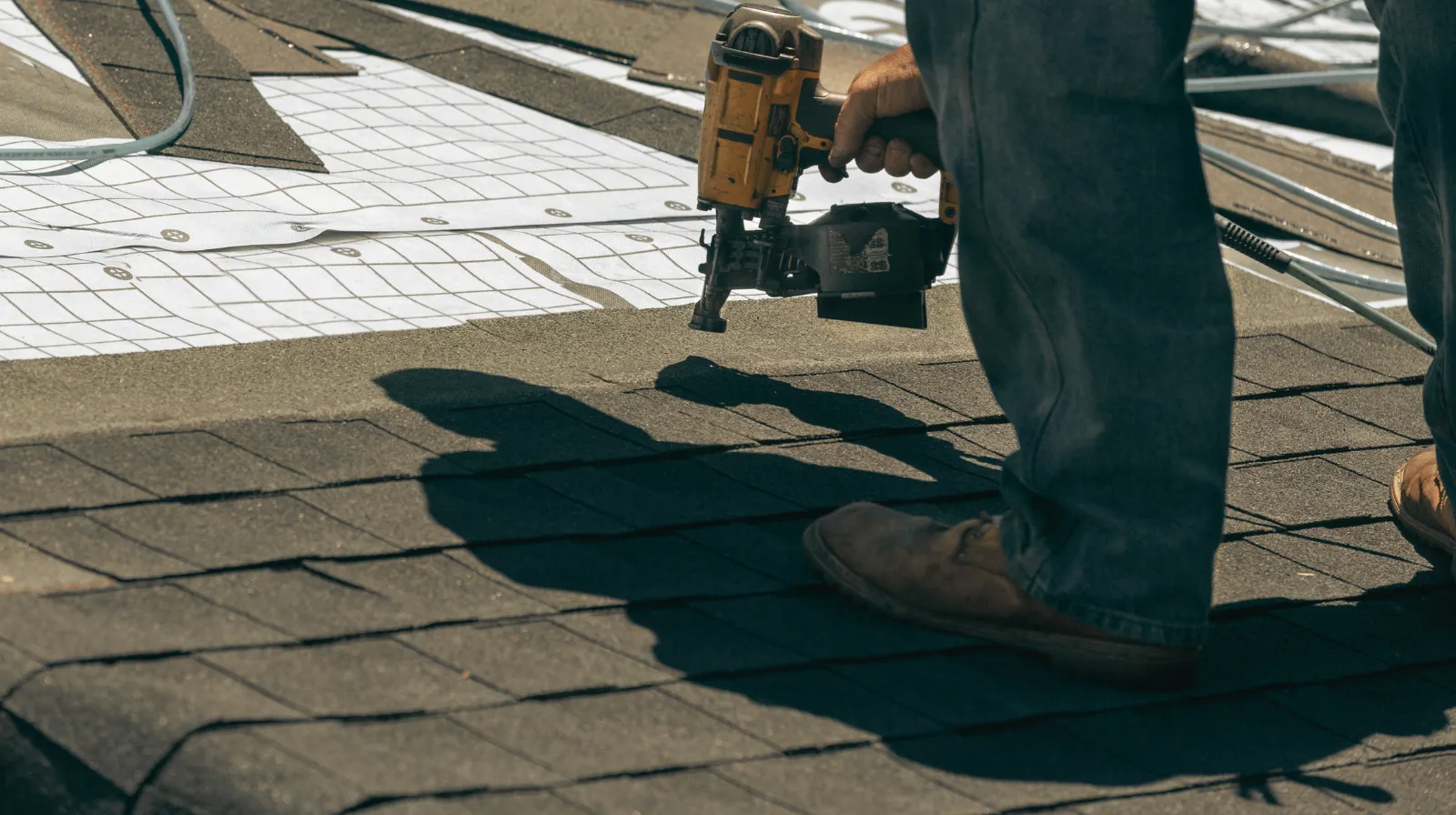
- Underlayment
- Flashing
- Ice and water barriers
These components affect both performance and cost.
If you want to understand how these pieces work together, our roofing materials page breaks down the system in more detail.
What Most Online Estimates Get Wrong
Online calculators can be helpful.
But they often miss context.
They typically do not account for:
- Roof complexity
- Hidden damage
- Regional labor conditions
- Installation standards
So while they can provide a rough range, they should not be treated as final pricing.
If you want a starting point, you can explore our roof cost guide to get a general sense of expectations.
Insurance vs Out-of-Pocket Costs
This is where many homeowners feel uncertain.
If the Roof Was Damaged by a Storm
Insurance may cover part or all of the replacement.
That depends on:
- Your policy
- The extent of damage
- The claims process
We walk through this step-by-step on our insurance claims page.
If the Roof Is Simply Aging
This is typically an out-of-pocket expense.
In those cases, homeowners often:
- Plan timing carefully
- Explore financing options
- Compare material choices
Why the Lowest Quote Is Not Always the Best Option
It is natural to compare pricing.
But price alone does not tell the full story.
What Lower Pricing Can Mean
Sometimes it reflects:
- Lower material quality
- Reduced installation standards
- Less attention to detail
Not always. But it is worth asking questions.
What You Should Be Looking For Instead
Clarity.
You want to understand:
- What is included
- What is not
- How the system is being installed
- What happens if something changes
Our process page outlines how we approach this so homeowners are never guessing.
What a Proper Estimate Should Include
A good estimate should feel clear.
Not overwhelming.
Not vague.
You Should Expect:
- Scope of work
- Material details
- Timeline expectations
- Warranty information
- Communication plan
If something is unclear, it should be explained.
A Better Way to Think About Cost
Instead of asking:
“How much does a roof cost?”
A better question is:
“What does my roof actually need?”
That shift changes everything.
Because the right solution is not always the cheapest.
It is the one that protects your home properly.
The Next Step Is Simpler Than You Think
You do not need to figure everything out first.
You do not need to commit to anything.
You just need a clear starting point.
Start With an Inspection
A proper inspection will:
- Evaluate your roof
- Identify any issues
- Explain your options
- Provide a clear estimate
From there, you can decide what makes sense.
If You’re Planning Ahead or Facing a Decision
We are here to help you understand your options without pressure.
Schedule a roof inspection
Or explore your financing options