

How Much Does a New Roof Cost in Ohio?
If you're researching the cost of replacing a roof in Ohio, there's a good chance you've already discovered how frustrating the answer can be. One website gives you a national average. Another provides a price per square foot. Your neighbor tells you what they paid three years ago, and then a roofing contractor gives you an estimate that doesn't seem to match any of those numbers.
The confusion usually isn't because someone is hiding the price. There really isn't one price for replacing a roof, even among homes that appear nearly identical from the street.
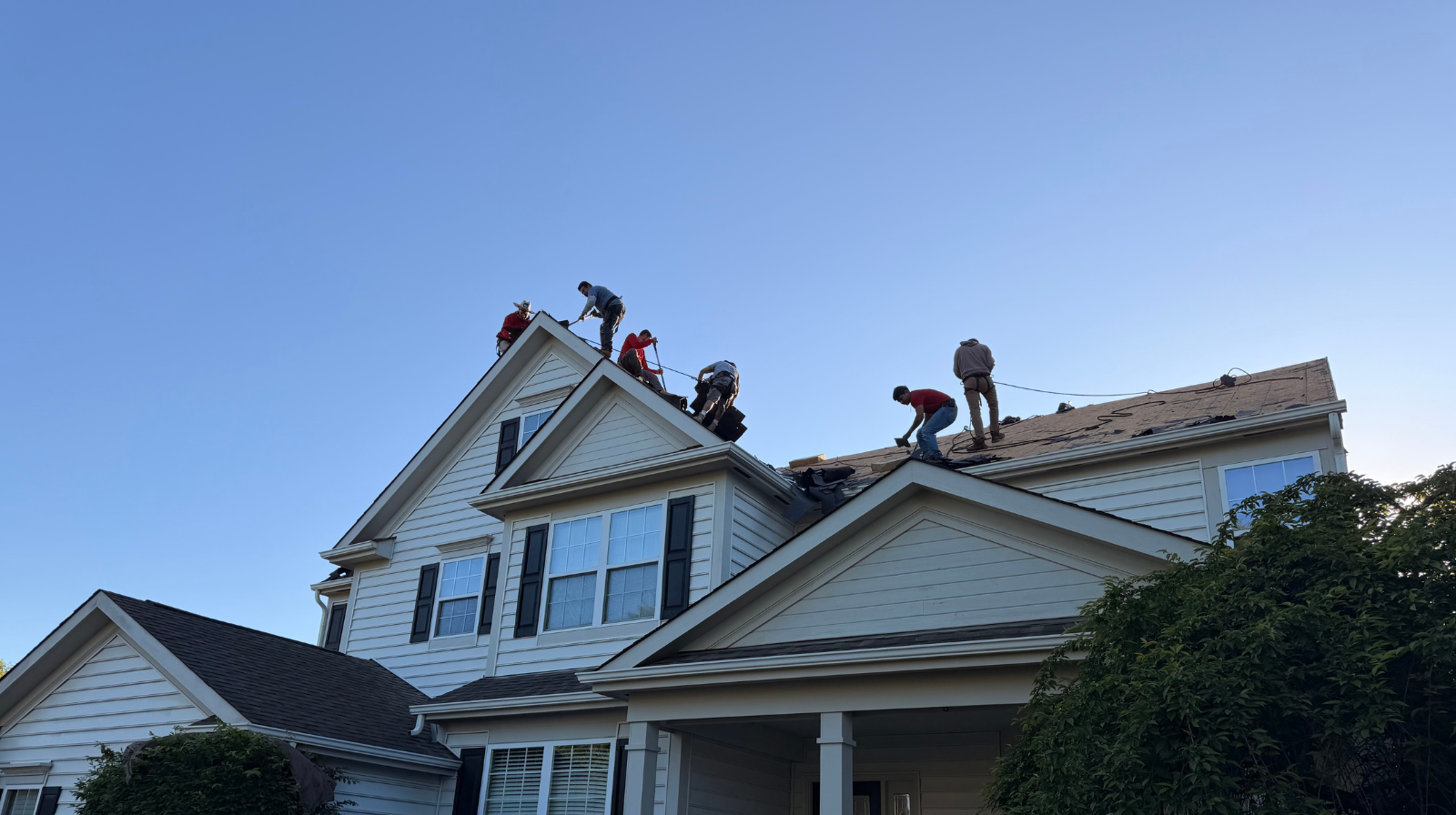
Consider two houses sitting across from each other in the same Central Ohio neighborhood. Both may have roughly 2,000 square feet of living space and both may be getting the same architectural shingle. One has a simple roofline with easy access around the property. The other has a steeper pitch, several valleys, a chimney, an attached garage and sections of decking that have deteriorated beneath the old shingles. Those aren't the same roofing project, even if the houses look similar from the curb.
That's why understanding roof replacement cost in Ohio starts with understanding what you're actually paying for. The shingles matter, but they're only part of the equation. Roof size, pitch, complexity, tear-off, decking, ventilation, flashing, labor, warranties and even access to the home can change the final price.
An online roof cost calculator can give you a useful starting point for planning. A real estimate becomes more accurate once the roof has been measured and inspected and someone understands what your particular home requires.
This guide will help you understand those variables so that when you eventually have a roofing estimate sitting in front of you, you're not simply comparing the number at the bottom. You'll understand what you're actually buying.
Why Roof Replacement Costs Vary So Much in Ohio
Search for the average cost of a new roof in Ohio and you'll find plenty of numbers. Some will seem surprisingly affordable. Others may make you wonder whether the roof is supposed to come with a new kitchen.
The problem with an average isn't necessarily that the number is wrong. It's that an average removes nearly everything that makes an individual roofing project unique.
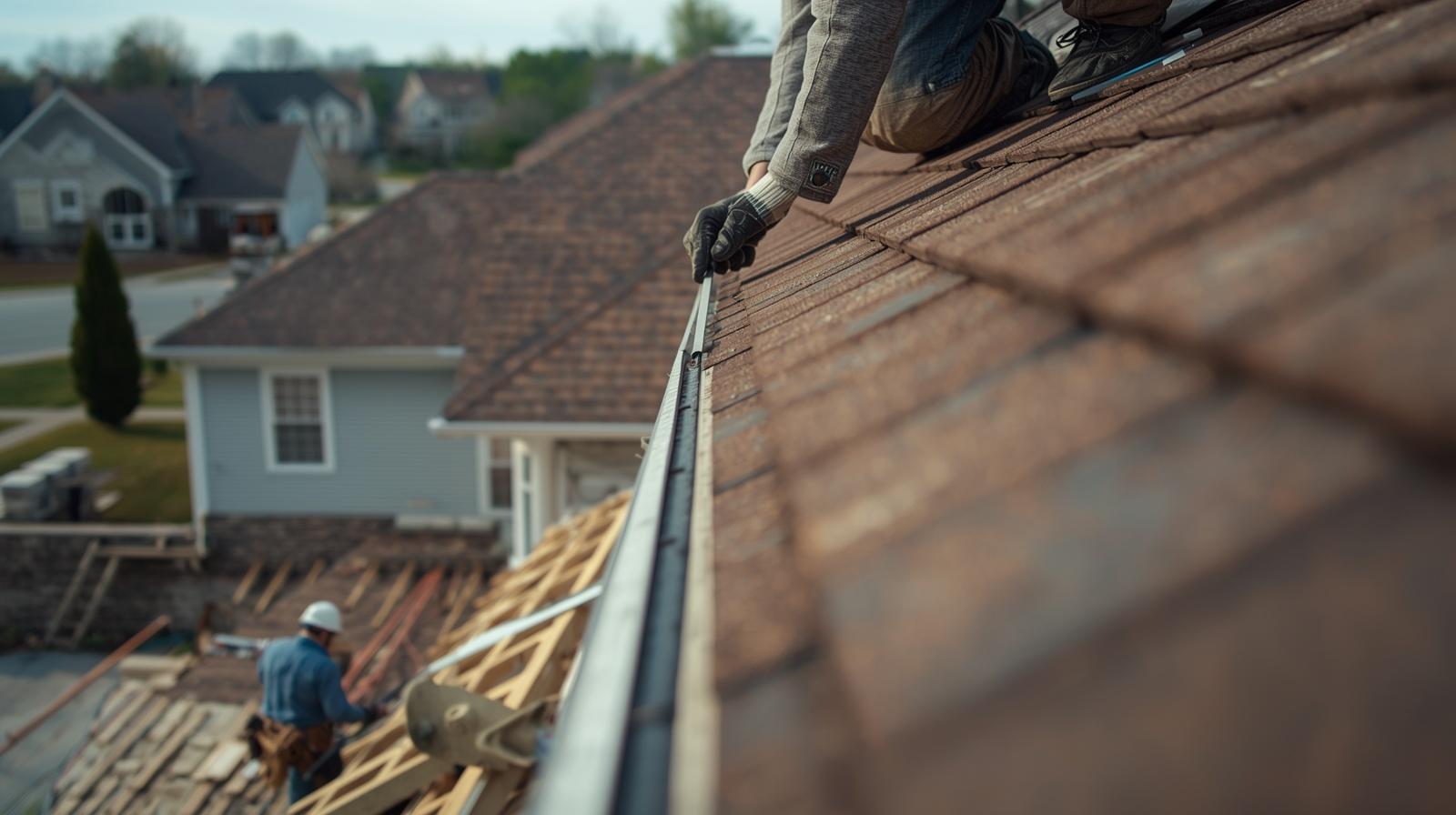
Roofing contractors aren't purchasing a finished roof from a warehouse and placing it on top of your house. The roof is being built on your home. Materials have to be removed, the underlying structure has to be evaluated and a new roofing system has to be installed around the specific shape and features of the house.
A straightforward ranch with a relatively simple roofline is a very different project from a two-story home with dormers, multiple valleys, several roof transitions, skylights and a chimney. Even when their overall roof areas are similar, the amount of detailed work involved can be dramatically different.
Then there's the condition of the existing roof.
Once the old materials are removed, a crew may find clean, solid decking underneath. On another home, they may uncover deterioration around a chimney, previous water intrusion or sections of decking that need to be replaced before the new roofing system can be installed correctly.
The cost of replacing a roof is ultimately connected to the roofing system your particular home requires, which is why a statewide average should be treated as a budgeting reference rather than a quote.
Your Home's Square Footage Is Not Your Roof's Square Footage
One of the easiest mistakes to make when estimating roofing costs is looking at the square footage of the house.
A 2,000-square-foot home doesn't necessarily have a 2,000-square-foot roof.
The home's footprint, number of stories, attached garages, porches, additions and roof pitch all influence the actual amount of roofing surface. A steep roof also contains more surface area than a low-slope roof covering the same footprint.
Roofing contractors typically measure material in "squares." One roofing square represents 100 square feet of roof surface. The amount of material required also needs to account for cuts and waste around valleys, hips, ridges and other architectural features.
This helps explain why your neighbor's recent roof replacement can be useful information without being a particularly accurate estimate for your house.
Even homes built by the same builder in the same development can have enough differences in their roof design to change both material and labor requirements.
Roof Pitch and Complexity Affect More Than Material
The shape of the roof matters just as much as its overall size.
A large roof with broad, uncomplicated sections can sometimes be more straightforward to replace than a smaller roof filled with valleys, dormers, wall intersections and other transitions.
Every chimney, skylight, valley and penetration creates an area that requires additional attention. These are places where roofing materials meet another surface or change direction, and they're also some of the areas where careful flashing and installation become particularly important for controlling water.
Pitch adds another consideration. A steep roof changes how crews move around the structure, how materials are staged and what safety procedures may be required to complete the work properly.
This is one reason roofing labor cost in Ohio can't be reduced to a universal price per square foot. You're paying for the broad sections of shingles being installed, but you're also paying for the detailed work around the portions of the roof where experience and workmanship become especially important.
What Happens When the Old Roof Comes Off?
Homeowners understandably spend most of their time thinking about the new roof because that's what they'll see when the project is finished. A roofing professional has to pay almost as much attention to what sits underneath it.
Removing the existing roofing system provides the first complete view of the roof deck.
Decking, commonly made from plywood or oriented strand board, provides the structural surface supporting the roofing system. It needs to be in suitable condition to hold fasteners and provide a stable foundation for the materials installed above it.
If portions of the decking have deteriorated because of moisture, previous leaks or other damage, those sections may need to be replaced.
This is also one of the areas where roofing estimates can differ.
A contractor may not know the full condition of every section of decking until the existing roof has been removed. That's why homeowners should understand how potential decking replacement is handled before the project begins.
Ask what happens if damaged decking is discovered. Ask how replacement decking is priced and how you'll be informed if additional work becomes necessary.
Those aren't difficult or confrontational questions. They're exactly the kinds of questions homeowners should be asking when planning a significant investment in their home.
Most importantly, covering deteriorated decking with new materials doesn't solve the underlying problem. A beautiful new shingle cannot compensate for problems underneath the roofing system.
A New Roof Is Much More Than New Shingles
Shingles naturally receive most of the attention during a roof replacement. They're visible, they determine much of the finished appearance and homeowners can compare colors, styles and product lines before making a decision.
But shingles are only one component of a complete roofing system.
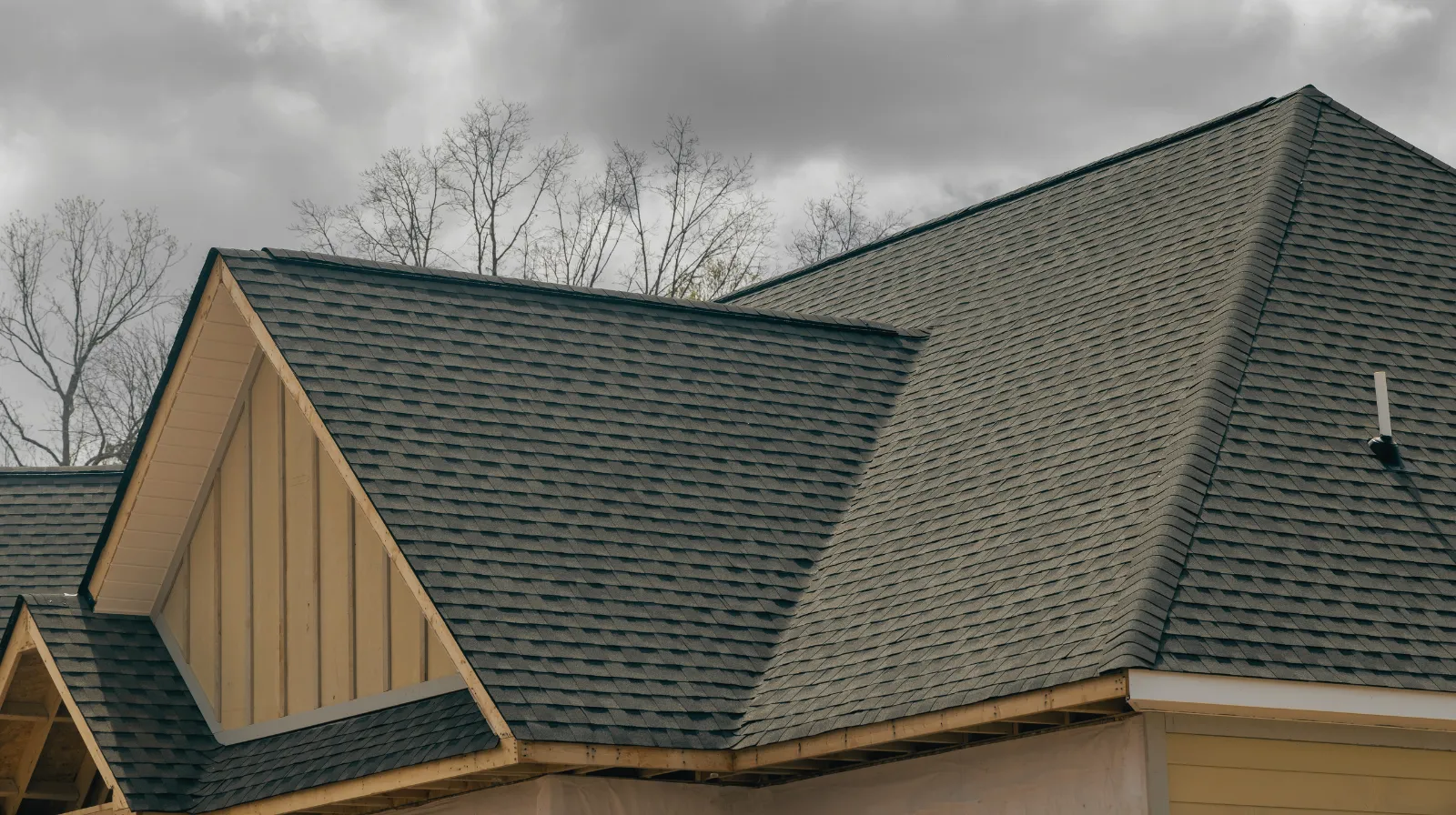
Depending on the home and roofing system being installed, the project can include underlayment, ice and water protection, starter shingles, field shingles, ridge caps, flashing, ventilation and other components designed to manage water and airflow.
Each has a specific job.
That becomes important when comparing roofing estimates because two proposals can list similar shingles while proposing different systems underneath them.
One contractor may be including different underlayment or ventilation improvements. Another may approach flashing differently. Manufacturer requirements and warranty eligibility can also depend on which components are used and how the system is installed.
Our roofing materials guide goes deeper into how those components work together. If you're comparing roofing estimates, understanding the system rather than focusing exclusively on the shingle can make the differences between proposals much easier to recognize.
Labor Is Where Craftsmanship Becomes Part of the Price
Materials are relatively easy to compare because they're tangible. You can research a particular shingle online, look at manufacturer specifications and compare different product lines.
Labor is more difficult to evaluate before the project begins.
It's also one of the most consequential parts of the roof.
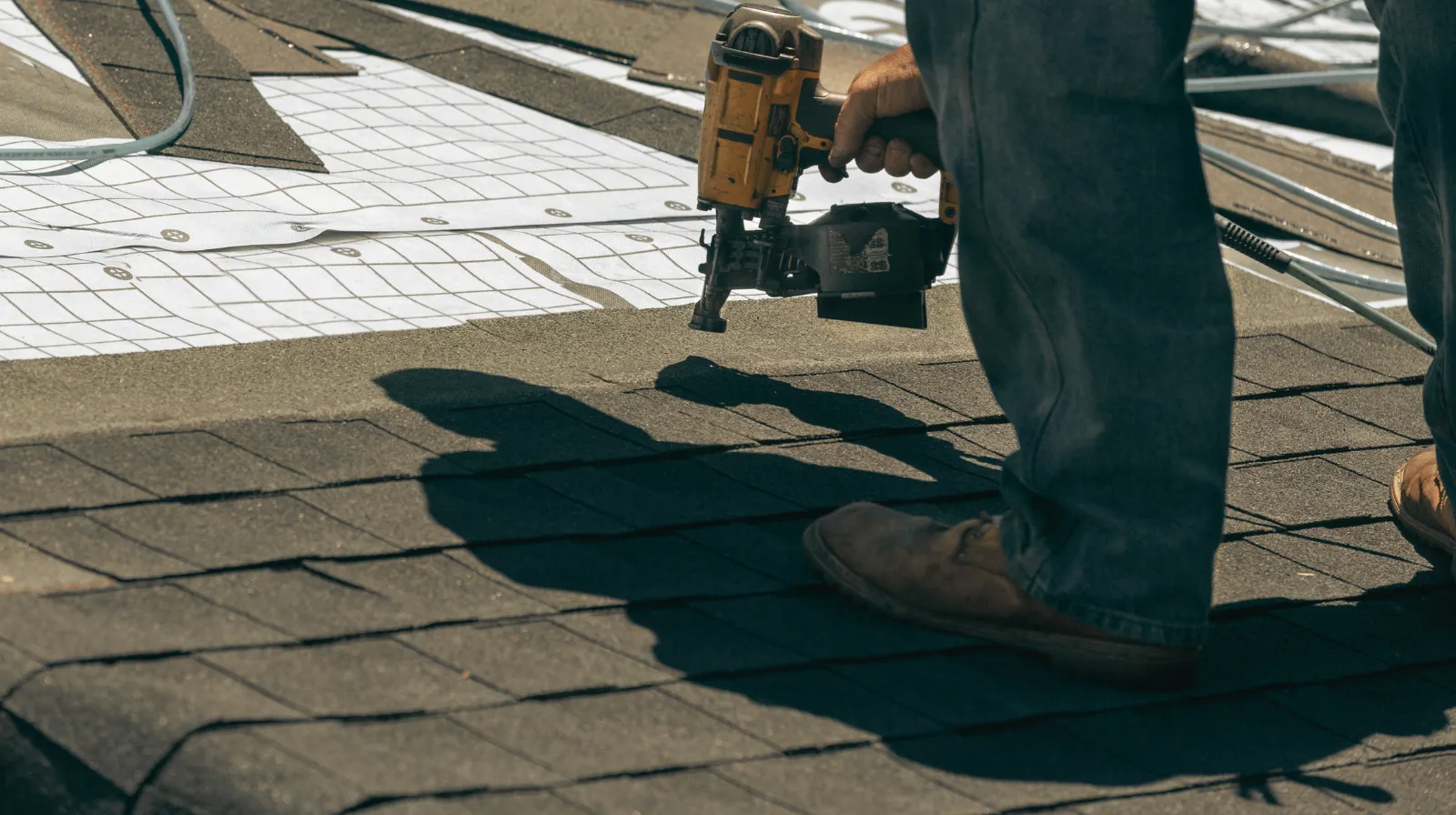
Proper nail placement matters. Flashing details matter. Valleys matter. Ventilation matters. The way crews handle penetrations, ridges, transitions and edges matters. Property protection, debris removal and cleanup are also part of delivering a professional roofing project.
A premium roofing material installed carelessly doesn't become a premium roof simply because the manufacturer's name appears on the package.
This doesn't mean the most expensive contractor automatically provides the best workmanship, just as the least expensive estimate doesn't automatically mean poor workmanship. Price alone doesn't provide enough information to make either judgment.
What matters is understanding the scope behind the number.
If one contractor's estimate is substantially different from another, there may be a perfectly reasonable explanation. One may have identified work the other didn't include. They may be proposing different roofing systems. Warranty coverage may differ. Certain items may be included in one proposal and treated as additional costs in another.
A roofing estimate should give you enough information to understand what you're buying without requiring you to become a roofer yourself.
The contractor should be willing to explain the rest.
Why Can Two Roofing Estimates Be Thousands of Dollars Apart?
This is where roof replacement pricing becomes particularly confusing.
Imagine having three contractors inspect the same house. One estimate comes back at $12,000, another at $15,000 and another at $18,000.
The natural reaction is to look at the $12,000 estimate first.
And you should look at it. Saving several thousand dollars on a major home project deserves consideration.
The next question is more important: Why is it several thousand dollars less?
Maybe the company operates more efficiently. Maybe the contractors measured the project differently. Maybe the material systems aren't actually identical. Maybe one proposal includes flashing or ventilation work that another doesn't. Perhaps decking replacement is handled differently, or the warranty coverage isn't comparable.
The same questions should be asked about the highest estimate. A larger price tag doesn't prove better workmanship. The contractor should be able to explain what additional value, materials or scope account for the difference.
Comparing roofing estimates becomes much easier once you stop comparing only the totals.
Look at the materials being installed. Understand the scope of work. Ask how decking is handled. Compare warranties. Ask about ventilation and flashing. Find out how the property will be protected and what cleanup looks like after installation.
Then consider the company itself.
Roof replacement involves people working on one of the most important systems protecting your home. Communication, professionalism and reputation belong in the comparison alongside materials and price.
Verified homeowner experiences on our reviews page can provide another perspective on that part of the decision. A proposal tells you what a contractor plans to do. Reviews help show how homeowners felt about the experience after the work was completed.
What Should a Proper Roof Replacement Estimate Include?
By the time you've collected several roofing estimates, it's easy for everything to start blending together.
This is where slowing down can save you from making a decision based entirely on the largest number printed on the page.
A roofing proposal should clearly identify the scope of work and the materials being proposed. You should understand what happens to the existing roof, which roofing system will replace it, how ventilation and flashing are being addressed, what warranty coverage applies and what happens if unexpected conditions are discovered during installation.
You should also understand the process around the work itself.
When is the project expected to begin? How long will installation likely take? How will landscaping and other areas around the home be protected? What happens to the debris? Who should you contact if you have questions while the project is underway?
Those details may seem secondary while you're comparing shingle colors and prices, but they become very important once trucks, materials and a roofing crew arrive at your home.
We've outlined the Summit Peak Xteriors process so homeowners know what to expect from the initial conversation through installation and cleanup. Construction can always present unexpected variables, but the overall experience shouldn't feel mysterious.
Communication During the Estimate Matters
Pay attention to how a contractor communicates before you've hired them.
Do they answer your questions clearly? Are they willing to explain unfamiliar terms? Can they tell you why they're recommending a particular repair, material or roofing system? Do you understand what happens next?
You shouldn't feel embarrassed asking basic roofing questions. Most homeowners aren't roofing professionals and shouldn't be expected to understand industry terminology without an explanation.
The way a company handles those conversations before the contract is often a useful indication of how communication will feel once the project begins.
How Storm Damage Can Change the Roof Replacement Conversation
Not every homeowner researching roof replacement cost is replacing a roof because it has simply reached the end of its service life.
Ohio weather has a habit of getting involved.
Strong wind and hail can change the condition of a roofing system quickly. In those situations, determining the condition of the roof should happen before making assumptions about replacement cost.
A few missing shingles might represent localized damage that can be repaired. They may also be the most visible evidence of a larger wind event affecting multiple sections of the roof. Likewise, seeing hail around the property doesn't automatically mean the roofing system needs to be replaced.
A proper inspection helps establish what actually happened.
When legitimate storm damage is involved, homeowners insurance may become part of the conversation. Coverage depends on the policy, cause and extent of damage, deductible and other circumstances surrounding the claim.
That process is different from budgeting for an aging roof that needs replacement through normal wear.
Our insurance claims guide explains what Ohio homeowners can expect if they're dealing with potential storm damage and aren't sure where to begin.
The important part is establishing the condition of the roof before making decisions about either replacement or insurance.
Sometimes Roof Repair Makes More Financial Sense
A roofing inspection doesn't automatically need to end with a replacement proposal.
There are situations where the roofing system still has useful service life and a targeted repair is the sensible financial decision. An isolated flashing problem, localized wind damage or another repairable condition may not justify replacing the entire roof.
Age and overall condition both matter.
If a relatively young roof has one repairable issue while the surrounding system remains healthy, replacement may be unnecessary. On the other hand, repeatedly repairing a roof that is approaching the end of its useful life can become expensive in its own way.
A homeowner may spend money fixing one area this year, another area next year and something else the following year, only to eventually pay for the replacement anyway.
That's why the better question isn't simply what a repair costs compared with a replacement today. It's how each option affects the home over the next several years.
An inspection should help provide enough information to make that decision based on the roof's actual condition.
Financing a Roof Replacement in Ohio
Even when replacing the roof is clearly the right decision, the timing doesn't always line up neatly with the household budget.
Roofs don't particularly care that you're also paying for daycare, replacing a vehicle, planning another home improvement project or trying to preserve emergency savings.
For many homeowners, the question becomes less about whether the roof needs to be replaced and more about how to manage the expense responsibly.
Some homeowners pay for the project directly. Others choose financing so they can spread the cost over time rather than using a large amount of cash at once.
Summit Peak Xteriors offers roof financing options for homeowners who want to explore that approach.
Financing isn't automatically the right decision for every household. Interest rates, terms, monthly payments and total borrowing costs should all be considered. It's simply another option that can make a necessary home improvement more manageable when the timing of the roof and the timing of your finances don't cooperate.
So, How Much Does a New Roof Actually Cost in Ohio?
After all of that, you may still be waiting for the magic number.
The most useful answer is that the cost of your roof depends on the house underneath it.
Online averages can help establish expectations, but they can't see your roof. They don't know its pitch, how many valleys it has, whether the decking is healthy, what ventilation system is currently installed or which roofing materials you're considering.
That's why we recommend using the SPX roof cost calculator as a starting point rather than treating an online estimate as final pricing.
Once the roof has been measured and inspected, the estimate can account for the things that make your project different from the average.
There's also an opportunity to make this guide even more useful over time. As we continue gathering information from completed Ohio roofing projects, we can provide real-world examples that show how different home sizes, roof designs and material selections influence actual project costs. Those examples will always be more meaningful than pretending every roof in Ohio fits into one statewide number.
For now, the most important thing is understanding why the number changes.
How to Compare Roof Replacement Quotes With Confidence
When the estimates eventually arrive, resist the urge to immediately circle the lowest one.
Put them beside each other and read them.
Compare the roofing systems. Look at the materials. Understand how each contractor handles tear-off, decking, flashing and ventilation. Compare warranty coverage and ask about anything that appears in one estimate but not another.
Then look beyond the paper.
Research the contractor's reputation. Read what previous customers have said about communication and workmanship. Ask what happens if something goes wrong. Understand who you'll be communicating with throughout the project.
If one estimate is substantially lower or higher, ask why.
A professional contractor should be able to explain the difference without making you feel pressured for asking.
By the end of that conversation, you should understand much more than how much your roof costs. You should understand what you're receiving for the money you're spending.
That's a much better foundation for making a decision.
Frequently Asked Questions About Roof Replacement Cost in Ohio
How much does it cost to replace a roof in Ohio?
Roof replacement cost varies based on the size and design of the roof, pitch, material selection, tear-off requirements, decking condition, flashing, ventilation and labor. Online averages can provide a budgeting reference, but measuring and inspecting the actual roof provides a much more useful estimate.
Does the square footage of my house determine my roof replacement cost?
Not directly. Your home's interior square footage isn't the same as its roof surface area. Roof pitch, number of stories, attached garages, porches, additions and architectural design all influence the amount of roofing material required.
Why are roofing estimates so different?
Two estimates may include different materials, scopes of work, installation practices, warranties or assumptions about decking and ventilation. If quotes differ substantially, ask each contractor to explain exactly what is included before comparing the final totals.
Does a steeper roof cost more to replace?
It can. Steeper roofs can contain more surface area and may require additional time, equipment and safety procedures. Roof design and accessibility can therefore influence both material and labor costs.
Is repairing my roof cheaper than replacing it?
A repair generally costs less in the short term, but whether it makes financial sense depends on the roof's age, condition and extent of the problem. A localized issue on an otherwise healthy roof may be an excellent candidate for repair. Repeated problems across an aging roofing system may make replacement the better long-term investment.
Will homeowners insurance pay for a new roof?
Homeowners insurance may cover qualifying damage caused by covered events such as wind or hail, subject to the terms, exclusions and deductible of your specific policy. Normal aging and wear are generally different circumstances. If you suspect storm damage, having the roof inspected can help you understand its condition before deciding what to do next.
Can I finance a roof replacement?
Financing may allow qualified homeowners to spread the cost of roof replacement over time instead of paying the entire amount upfront. Always review the interest rate, financing terms, monthly payment and total cost before deciding whether financing makes sense for your household.
How can I get a more accurate roof replacement estimate?
The best way is to have the roof measured and inspected. That allows the estimate to account for the actual roof area, pitch, complexity, existing materials, visible condition and roofing system being proposed rather than relying solely on generalized averages.
Planning for a New Roof Starts With Understanding the One You Have
If you're researching roof replacement costs because your roof is getting older, planning now gives you time to understand the project, compare options and prepare financially before an emergency makes those decisions for you.
If you're researching because you've noticed missing shingles, a leak or damage after a recent storm, start by finding out what's actually happening with the roof.
You don't need to understand every piece of a roofing system before talking to someone. You should simply expect the person inspecting your home to explain what they find in a way that makes sense.
Summit Peak Xteriors helps Ohio homeowners evaluate roof repairs and replacements with straightforward recommendations, quality materials and a clear process from the initial inspection through installation and final cleanup. If your roof still has useful life ahead of it, that should be part of the conversation. If it needs attention, you should understand what was found, why it matters and what your options are before making a decision.
When you're ready, you can schedule a roof inspection with Summit Peak Xteriors and start with a clearer understanding of what your home actually needs.