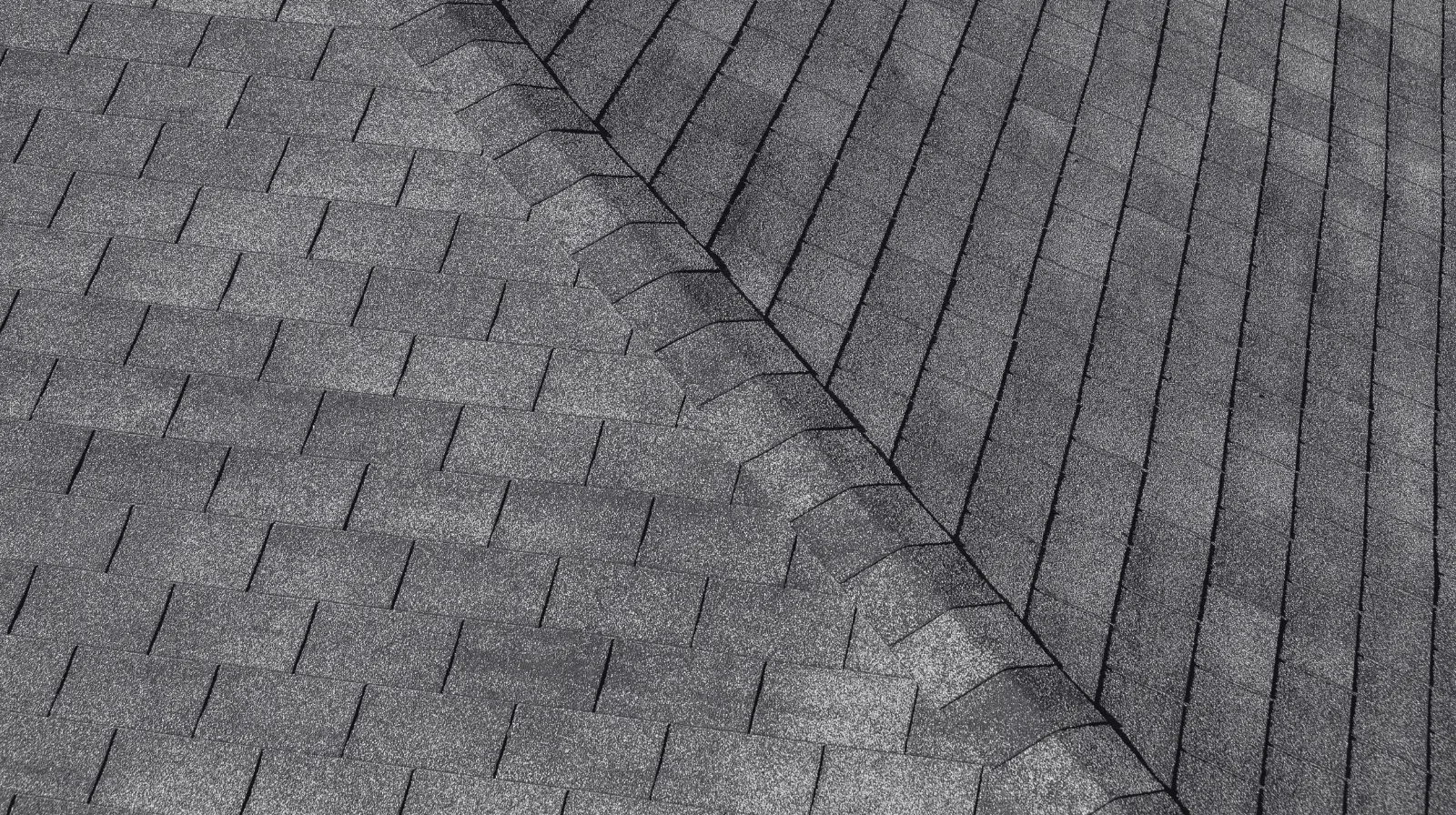


A strong windstorm can make a homeowner look at their house differently the next morning. The roof that felt dependable yesterday suddenly raises questions. Maybe there are shingles in the yard. Maybe one side of the roof looks uneven. Maybe nothing looks wrong from the driveway, but the sound of the storm was enough to make you wonder what happened up there while everyone was asleep.
That is a common place for Ohio homeowners to find themselves. High winds, heavy rain, hail and sudden temperature changes put real stress on roofing systems throughout the year. A roof can look mostly fine from the ground and still have damage that should be inspected. Wind can lift shingles, weaken seals, loosen flashing and expose small openings that may not leak right away. The problem often begins quietly, then shows up later when another storm pushes water into the same weak spot.
This guide is meant to help homeowners understand what to watch for after high winds, how to think through roof repair versus roof replacement, when insurance may be part of the conversation and why a proper inspection is usually the best first step. If you already know something looks off and want someone to take a look, you can start with a roof inspection. If you are still learning what high wind roof damage can look like, this article will walk you through the bigger picture.
Why High Wind Roof Damage Is Easy to Miss
Most homeowners expect storm damage to be obvious. They picture missing shingles, tree limbs through the roof or water dripping into the house. Those things happen, but many wind-related roofing issues are more subtle. A shingle can lift during a storm and settle back down afterward, but once that seal is broken, it may not perform the same way again. Flashing can shift slightly around a chimney, vent pipe or wall transition. Ridge caps can loosen before they fully come off.
That is why high wind roof damage in Ohio is often discovered after the storm itself. The first visible sign might be granules in the gutter, a new water stain on the ceiling, a few shingles near the downspout or a roofline that suddenly does not look as clean as it used to. In many cases, homeowners are not ignoring damage. They simply cannot see it clearly from the ground.
A professional inspection helps separate concern from guesswork. The goal is not to turn every storm into a roof replacement. The goal is to understand what happened and whether the roof is still protecting the home the way it should.
How Wind Affects Asphalt Shingle Roofing
Asphalt shingles are designed to overlap and seal together as part of a full roofing system. When high winds hit the roof at the right angle, they can lift the exposed edge of the shingle and stress the adhesive seal beneath it. Once that seal is compromised, the shingle may become more vulnerable during future storms.
This is one reason asphalt shingle roofing in Ohio needs to be evaluated as a system, not just as individual pieces. Shingles matter, but so do flashing, ventilation, underlayment, ice and water protection, fasteners and the condition of the roof deck underneath. You can learn more about how those parts work together on our roofing materials and systems page.
The Questions Homeowners Usually Ask After a Storm
After a high wind event, most homeowners are not ready to talk about products or warranties. They want basic answers first. Is my roof okay? Should I call insurance? Can this be repaired? How much is this going to cost? How long can I wait?
Those are fair questions. They are also the right questions.
The trouble is that roofing decisions can feel more stressful because they sit at the intersection of weather, insurance, home protection and cost. A homeowner may be dealing with visible damage, but also trying to understand deductibles, replacement timelines, financing options and whether a contractor is being honest. That is a lot to process at once.
A good roofing contractor should make that process easier to understand. They should explain what they see, document the condition of the roof and help the homeowner understand the next step without pressure. That is the standard we try to hold throughout the Summit Peak Xteriors process.
Should I Schedule a Roof Inspection After High Winds?
If you noticed missing shingles, lifted edges, loose flashing, granules in gutters, debris impact or interior water stains, an inspection is a smart next step. Even if you do not see anything obvious, an inspection may still be worthwhile after a strong windstorm if nearby homes had damage or if the storm produced unusually high gusts in your area.
The inspection does not commit you to a project. It gives you information. That distinction matters because many homeowners wait simply because they do not want to invite a sales conversation. A proper inspection should feel more like a homeowner education conversation than a sales appointment.
Repair, Restoration or Full Roof Replacement
One of the most important parts of the inspection is determining whether the roof needs a small repair, broader restoration or full replacement. Those are not the same thing.
A repair may make sense when damage is isolated, the surrounding shingles are still in good condition and the problem can be corrected without compromising the rest of the roof. A restoration approach may apply when storm damage affects specific areas but the full roof system does not need to be replaced. A full roof replacement becomes more likely when damage is widespread, the roof is already near the end of its life or repairs would only delay a larger issue for a short period of time.
This is where experience and honesty matter. Some roofs can be repaired responsibly. Some cannot. Some homeowners are better served by planning ahead before another Ohio winter. Others may have more time than they expected. The right answer depends on the roof, not on a preset sales script.
If your concern is storm-related, our roof restoration services page explains how we approach storm damage, documentation and next steps.
When Roof Replacement Becomes the Responsible Option
Roof replacement usually becomes part of the conversation when the roofing system is no longer reliable as a whole. That can happen because of age, repeated storm exposure, poor ventilation, widespread shingle failure, decking issues or damage that affects several slopes of the roof.
Many homeowners search for roof replacement cost in Ohio before they ever call a contractor. That makes sense. A roof is a major investment, and people want to prepare. The challenge is that cost depends on factors an online article cannot fully see, including roof size, pitch, access, material selection, existing layers, decking condition and installation details.
Our roof cost guide gives homeowners a better starting point for understanding what affects pricing, but a written estimate should always come after an inspection.
Where Insurance Fits Into High Wind Roof Damage
Insurance may be part of the conversation when damage is connected to a specific storm event, such as high winds, hail or falling debris. Insurance usually does not cover normal aging, wear and tear or maintenance issues. That difference is important because not every damaged roof is an insurance claim.
A contractor can inspect, document and explain what appears to be storm-related, but the insurance company makes the final coverage decision based on the policy and adjuster review. Homeowners should be careful with anyone who promises approval before the claim is reviewed. That kind of certainty may sound comforting, but it is not how the process actually works.
The strongest approach is documentation. Photos, inspection notes, clear explanations and an understanding of the timeline all help homeowners make better decisions. If insurance may apply to your situation, our insurance claims guidance page walks through the process in plain language.
What Homeowners Should Know Before Filing a Claim
Before filing a roof insurance claim, it helps to know what damage exists, whether it appears related to a storm and what your deductible responsibility may be. Filing a claim without understanding the condition of the roof can create confusion, especially if the damage is minor or unrelated to a covered event.
That does not mean homeowners should delay when legitimate storm damage is present. It simply means the first step should be informed. An inspection gives you the information needed to decide whether the insurance path makes sense.
Choosing a Roofing Company After a Storm
Storms tend to bring out a lot of roofing activity. Some of it is helpful. Some of it is rushed. Homeowners may receive flyers, door knocks, ads and advice from neighbors all within a few days of the same weather event.
That is why choosing the right contractor matters as much as choosing the right materials. A trustworthy roofing company should be able to explain the roof condition clearly, show documentation, answer questions about repair versus replacement and communicate what happens next. They should not make the homeowner feel pushed into a decision before the facts are clear.
Look for a company that talks about process as much as products. Materials are important, but workmanship and communication shape the outcome. The best roof installed poorly is still a poor roof. The best estimate explained badly still leaves the homeowner feeling uncertain.
A good roofing experience should leave you more informed than when you started.
What a Strong Inspection Conversation Should Include
A strong inspection conversation should cover what was found, what it means, whether the damage appears urgent, what options are available and what the homeowner should expect next. If storm damage is present, documentation should be explained. If no major issue is found, that should be stated clearly too.
Homeowners should feel comfortable asking basic questions. Roofing language can be unfamiliar, and a good contractor should not make someone feel behind for needing things explained.
Why Waiting Can Make the Decision Harder
Waiting after a storm can feel reasonable, especially when there is no active leak. The problem is that wind-related roof damage can worsen with each additional weather event. A lifted shingle can become a missing shingle. Minor water intrusion can become decking damage. A small stain can turn into interior repair work.
Waiting can also complicate insurance timelines if the damage is storm-related. Policies vary, and homeowners should understand their own coverage, but documentation is generally stronger closer to the event.
This does not mean panic is helpful. It means inspection is helpful. There is a difference.
A Practical Next Step for Ohio Homeowners
If your home experienced high winds and you are unsure whether the roof was affected, start with a roof inspection. You do not need to know whether you need repair, restoration or replacement before reaching out. The point of the inspection is to help answer that question.
Summit Peak Xteriors works with homeowners across Ohio who are trying to understand what happened after wind, hail and storm damage. We focus on inspection, documentation, clear explanation and responsible next steps. Sometimes that leads to repair. Sometimes it leads to replacement. Sometimes it simply gives the homeowner peace of mind.
If you are ready to understand where things stand, you can schedule an inspection or learn more about our roofing services.
Frequently Asked Questions
Can high winds damage a roof even if no shingles are missing?
Yes. High winds can lift shingles, weaken seal strips, loosen flashing or create small openings that may not be obvious from the ground. Missing shingles are only one sign of wind damage.
How soon should I get my roof inspected after a windstorm?
It is best to schedule an inspection soon after the storm if you notice visible damage, interior water stains, granules in gutters or nearby homes with roof damage. Early inspection helps document conditions before the damage worsens.
Does insurance cover wind damage to a roof in Ohio?
Insurance may cover wind damage if it is tied to a covered storm event and meets the terms of your policy. Normal aging, poor maintenance and wear and tear are usually handled differently.
How do I know if I need roof repair or roof replacement?
The answer depends on the extent of damage, roof age, material condition, decking condition and whether the roofing system is still reliable overall. A professional inspection is the best way to determine the right path.
What should I do if I find shingles in my yard?
Do not climb on the roof. Keep the shingles if possible, take photos, check for interior leaks and schedule a roof inspection. Shingles in the yard are a strong sign that the roof should be evaluated.