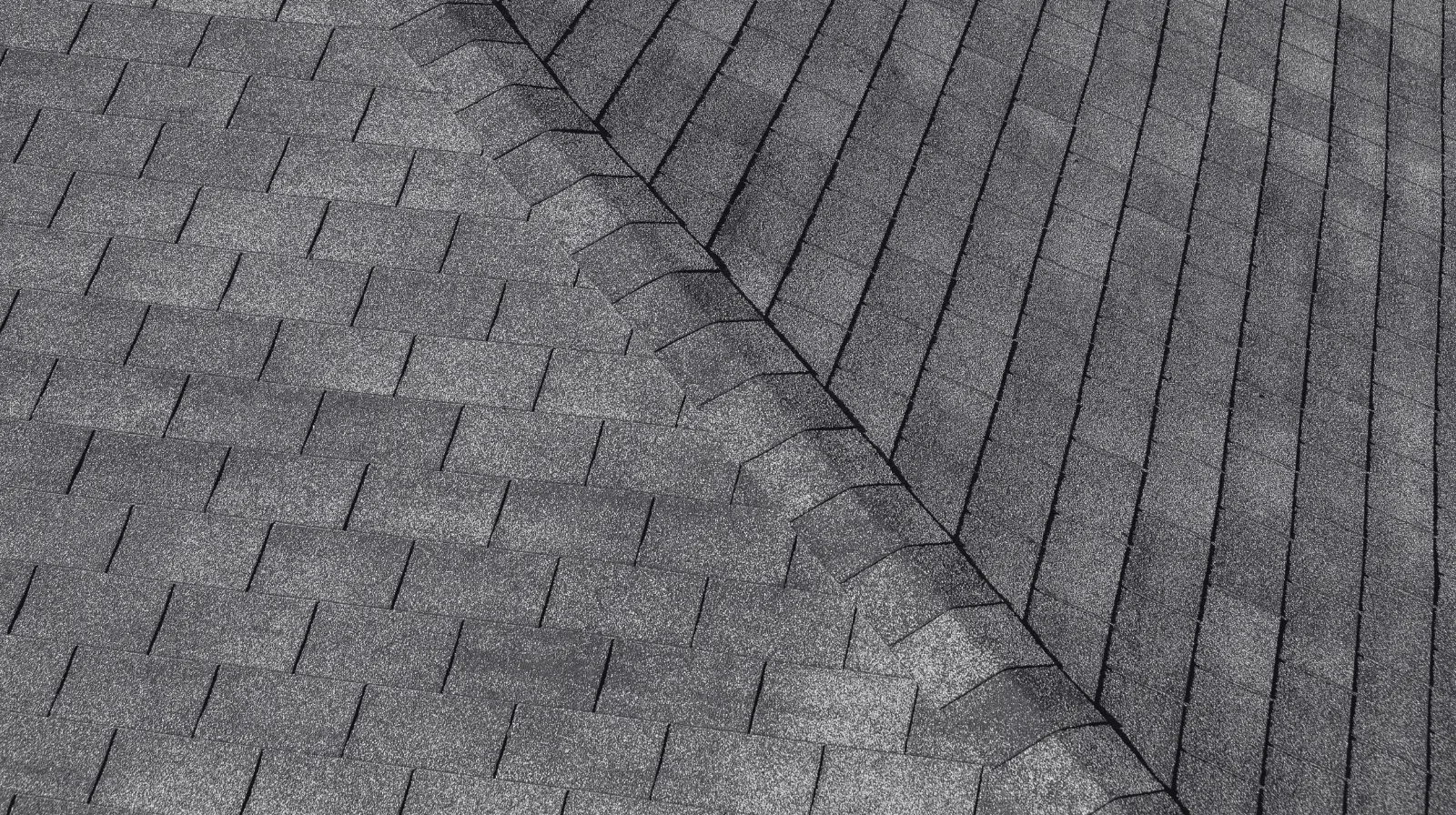


A Homeowner's Guide to Roof Lifespan, Storms and Knowing When It's Time
If you've owned a home for more than a decade, you've probably asked yourself some version of the same question.
"How much longer do you think this roof has?"
Maybe you asked your spouse while pulling into the driveway. Maybe it came up after a neighbor had their roof replaced. Maybe a recent windstorm left a few shingles in the yard, and now you're wondering whether those missing shingles are simply part of an aging roof or the beginning of something more expensive.
Most homeowners don't wake up one morning thinking about roofing.
The question usually arrives gradually.
The roof is approaching fifteen years old. Then eighteen. Then twenty.
One day you notice a few dark streaks that weren't there before. The gutters seem to collect more granules after heavy rain. Someone on your street has a dumpster in the driveway and a roofing crew working overhead. Suddenly you realize your roof is no longer something you take for granted. It's become something you're paying attention to.
That's a normal part of homeownership.
It's also where a lot of misinformation begins.
Ask five different people how long a roof should last in Ohio, and you'll probably hear five different answers. One person says twenty years. Another says thirty. Someone else insists modern shingles last a lifetime. The truth is a little more nuanced than that.
A roof isn't like a gallon of milk with an expiration date stamped on the side.
Its lifespan depends on the materials that were installed, the quality of the workmanship, how well the attic is ventilated and, perhaps more than anything else, the weather it has endured over the years.
Living in Ohio means your roof experiences a little bit of everything. Winter ice, spring windstorms, summer heat, hail, humidity and rapid temperature swings all work together to slowly age the roofing system. Some years are relatively gentle. Others seem determined to test every home in the neighborhood.
That's why two houses built on the same street during the same year can have roofs that age very differently.
The better question isn't simply "How long does a roof last?"
It's "How has this roof lived?"
There Isn't One Answer Because There Isn't One Kind of Ohio Roof
When people search for how long does a roof last in Ohio, they're usually hoping for a simple number.
Twenty years.
Thirty years.
Maybe even longer.
The reality is that roofing systems don't age by calendar alone.
An asphalt shingle roof installed by experienced craftsmen, properly ventilated and largely spared from severe weather may continue performing well long after its expected lifespan. Another roof installed with shortcuts, poor attic ventilation or years of repeated storm exposure may begin showing meaningful deterioration much sooner.
This is why professional inspections are so valuable.
A roof tells a story if you know where to look.
Lifted shingles may point to repeated wind exposure. Granule loss often reflects years of ultraviolet breakdown. Soft decking can suggest moisture has been quietly working beneath the surface for far longer than anyone realized.
Age matters.
Condition matters more.
That distinction changes everything because homeowners often assume replacement is determined by a birthday when it's actually determined by performance.
The Four Things That Shorten a Roof's Life in Ohio
When we inspect roofs throughout Central and Southern Ohio, four themes appear over and over again.
The first is weather.
Ohio simply asks a lot from a roofing system. High winds in the spring, hail throughout the summer, heavy snow loads in winter and constant freeze-thaw cycles create stresses that homeowners rarely notice until years later. Every storm leaves a little fingerprint behind, even if it doesn't create immediate leaks.
The second is ventilation.
It's one of the least understood parts of a roofing system because homeowners rarely see it. Yet attic ventilation plays a significant role in how long asphalt shingles last. Excess heat and trapped moisture slowly cook the roof from underneath, shortening its lifespan even when everything looks fine from the street.
If you've never considered how ventilation works with shingles, underlayment and flashing, our Roofing Materials Guide explains how the complete system protects your home.
The third is workmanship.
Even premium roofing products cannot overcome poor installation. Proper flashing details, nail placement, ventilation design and water management all influence how the roof performs ten or twenty years after installation.
The fourth is maintenance.
Most homeowners are excellent at maintaining the things they use every day. They service their vehicles. They clean their HVAC filters. They stain their decks.
Roofs tend to be forgotten because they quietly do their job every day.
Until they can't.
Why Storms Change the Conversation
One strong windstorm has a way of changing how people think about their roof.
A roof that felt perfectly adequate on Monday suddenly feels uncertain by Wednesday.
Sometimes that concern is justified.
Sometimes the roof made it through just fine.
The important thing is knowing which one is true.
After severe weather, many homeowners immediately search for terms like roof inspection after storm, hail damage roof repair or wind damage roof replacement. Those are smart questions because storms don't always create obvious damage. A shingle can lose its seal without blowing completely off. Flashing can loosen slightly. Granules can be displaced long before water ever enters the home.
Our Storm Damage Guide and High Wind Roof Damage Guide explore those situations in more detail because understanding what happened after a storm is often more valuable than guessing.
Knowing When It's Time
Most roofs don't fail overnight.
They slowly begin asking for attention.
Sometimes it's a ceiling stain after a heavy rain.
Sometimes it's recurring repairs that become more frequent each year.
Sometimes it's simply reaching the point where the cost of continuing to repair the roof begins approaching the value of replacing it.
That's usually the moment homeowners start searching for roof replacement cost in Ohio.
Not because they're excited to buy a roof.
Because they're trying to make a responsible decision.
One that protects the home, their family and their finances.
A trustworthy roofing contractor shouldn't rush that conversation.
They should help homeowners understand where their roof stands today, what risks exist moving forward and what options make the most sense based on the condition of the entire roofing system.
Sometimes that's a repair.
Sometimes it's restoration.
Sometimes replacement is the responsible answer.
The inspection comes first.
The recommendation comes second.
The Goal Isn't to Replace Your Roof Early
It's to Replace It at the Right Time
There's a difference.
Replacing a roof years before it's necessary wastes money.
Waiting years after the roof has begun failing often costs even more.
The goal is to find that window where replacement protects the home before secondary damage begins.
That's where good inspections create real value.
They're not about selling roofs.
They're about giving homeowners confidence in their next decision.
Our Roofing Process explains exactly what happens during an inspection, what we look for and how we help homeowners understand their options without unnecessary pressure.
Frequently Asked Questions
How long do asphalt shingle roofs usually last in Ohio?
Most quality asphalt shingle roofs last between 20 and 30 years, but actual lifespan depends on installation quality, ventilation, maintenance and storm exposure rather than age alone.
Can a 20-year-old roof still be in good condition?
Absolutely. We've inspected twenty-year-old roofs that still had useful life remaining and fifteen-year-old roofs that were ready for replacement because of storm damage or installation issues.
How do I know if my roof needs replacement or just repairs?
The only reliable way is a professional inspection that evaluates the entire roofing system. Missing shingles alone don't automatically mean replacement, just as an intact-looking roof doesn't guarantee everything underneath is healthy.
Should I wait until my roof leaks?
Generally, no. By the time water reaches your ceiling, the roofing system has often been compromised for quite some time. Early inspections help homeowners address issues before they become interior repairs.