

How Much Does a New Roof Cost in Ohio?
Replacing a roof is one of the larger investments you'll make in your home, and it's reasonable to want an idea of the cost before scheduling an appointment or inviting a roofing contractor onto your property. Whether you're planning ahead for an aging roof, comparing estimates or dealing with damage after a recent storm, understanding what a new roof might cost is usually one of the first things on your mind.
If you've already spent some time researching roof replacement prices in Ohio, you've probably noticed that the numbers can vary considerably. One website provides a national average, another offers a price per square foot and a neighbor might tell you what they paid for their roof a few years ago. Those numbers can be helpful for context, but they rarely account for the specific details of your home.
A new roof is priced according to the materials, labor and installation requirements of the property. Roof size matters, but so do its pitch, architectural complexity, existing condition, ventilation and the roofing system you choose. Even two houses in the same neighborhood can have very different replacement costs.
At Summit Peak Xteriors, we want Ohio homeowners to have a clearer understanding of those variables before making a decision. Our roof cost budgeting tool can help you establish an initial estimate, while a professional inspection provides the information needed to develop an accurate scope of work and written proposal.
Estimate Your New Roof Cost in Ohio
You don't need to have every detail figured out to begin planning. A roof replacement budget starts with understanding the approximate size of the project and the factors that may influence the final investment.
The Owens Corning roof budgeting tool below provides a convenient way to explore estimated roofing costs using general project assumptions. It can be especially useful if you're considering replacement within the next year, comparing different roofing materials or simply trying to determine how much money to set aside for a future project.
Keep in mind that the estimate is a starting point. The tool cannot fully evaluate the existing condition of your roof, identify hidden decking damage or account for every installation detail that may affect the final price. Those considerations are addressed during a professional inspection.
Use the calculator to establish your budget, then let the condition of your roof guide the final scope and estimate.
What Determines the Cost of a New Roof?
A roofing estimate is built around the actual work required to protect your home. While materials account for a meaningful portion of the project, installation complexity and the condition of the existing roofing system can influence the total just as much.
Understanding these differences will help you compare estimates more confidently and recognize why a contractor may recommend certain materials or improvements.
Roof Size, Pitch and Architectural Design
The overall size of the roof is one of the largest factors in determining material quantities and labor requirements. However, your home's interior square footage isn't the same as its roof surface area. A two-story home, for example, may have a smaller roof footprint than a single-story home with the same amount of living space.
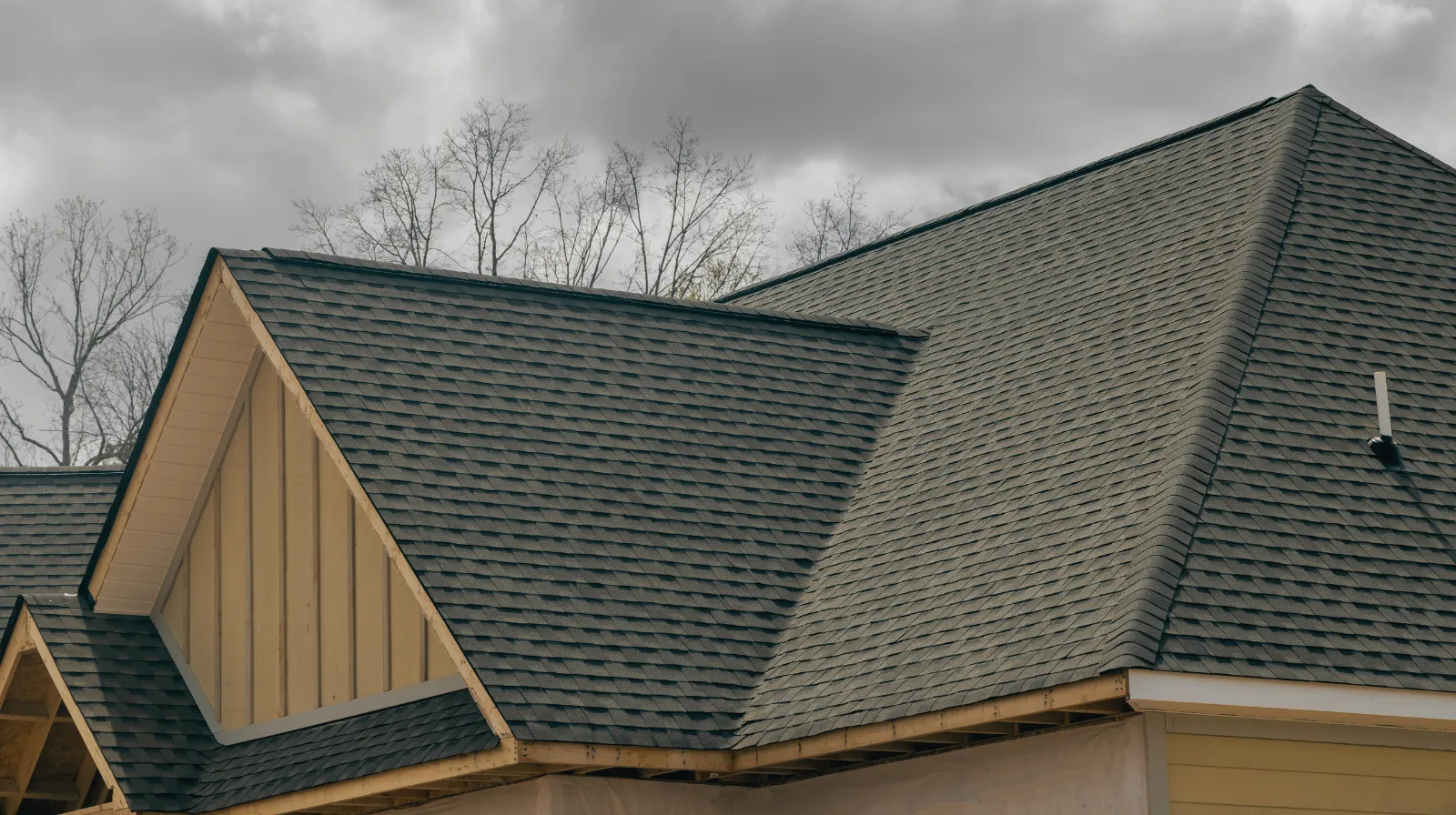
Roof pitch also influences the amount of surface area and the complexity of installation. Steeper roofs may require additional safety equipment, specialized access and more labor time. Architectural features such as dormers, valleys, chimneys, skylights and multiple roof transitions introduce additional material cuts and detailed installation work.
Consider two homes with similar square footage in a Central Ohio neighborhood. One has a straightforward roofline with broad, accessible slopes. The other includes several gables, a chimney and a steep section above an attached garage. Although the homes may look similar from the street, the labor and materials required to replace their roofs can be substantially different.
Removing the Existing Roof and Evaluating the Decking
Before installing a new roofing system, the existing materials may need to be removed so the underlying structure can be properly evaluated. This process, commonly called tear-off, includes labor, debris handling and disposal.
Once the old roofing materials are removed, the roof decking becomes visible. Decking provides the structural surface supporting the roofing system and needs to be in suitable condition for installation. If moisture damage, deterioration or other problems are discovered, affected sections may require replacement.
Some conditions are difficult to confirm until the existing materials are removed, which is why it's important to understand how potential decking repairs are handled in your estimate. A reputable contractor should explain what additional work might be necessary, how those costs are determined and how you'll be informed if unexpected conditions are found.
Roofing Materials and System Components
Shingles are the most visible part of a new roof, but they represent only one component of the finished roofing system. Underlayment, ice and water barriers, starter shingles, ridge caps, flashing and ventilation all contribute to the roof's ability to manage moisture and withstand Ohio weather.
Material selection can influence the initial investment as well as the appearance, performance and potential warranty coverage of the finished roof. Architectural asphalt shingles are a common choice for Ohio homes, while different product lines and roofing systems offer varying features and specifications.
When comparing roofing proposals, look beyond the shingle name. Two contractors may recommend products from the same manufacturer while including different accessories, ventilation improvements or installation details.
Our roofing materials guide explains how these components work together and what homeowners should consider when choosing a roofing system.
Ventilation, Flashing and Long-Term Performance
Some of the most important parts of a roofing project receive very little attention once installation is complete. Flashing around chimneys, walls, valleys and roof penetrations helps direct water away from vulnerable areas, while properly designed attic ventilation helps manage heat and moisture.
Ohio homes experience hot, humid summers and winters with freezing temperatures, snow and ice. These seasonal changes make proper water management and ventilation particularly important when evaluating the overall roofing system.
If an inspection identifies inadequate ventilation or deteriorated flashing, addressing those conditions during replacement may be appropriate. These items can influence the project cost, but they also affect how the completed roof performs over time.
Why Roofing Estimates Can Be So Different
It's not unusual for homeowners to receive roofing estimates that differ by thousands of dollars. That can be frustrating when every contractor has inspected the same property and appears to be proposing a similar finished roof.
The difference often comes down to what each estimate includes. One contractor may account for additional flashing work, ventilation improvements or different underlayment. Another may have a different approach to decking replacement, labor or warranty coverage. The estimates may look similar at first glance while describing different scopes of work.
Price should absolutely be part of the decision, but understanding the proposal is equally important. Review the materials, installation details, warranty information and assumptions about potential additional work. Ask how your property will be protected, how debris will be removed and what communication will look like during installation.
A roofing contractor should be willing to explain those details before you make a commitment. You can also review our roofing process to see how Summit Peak Xteriors approaches inspections, project planning and installation.
For a more detailed explanation of the factors behind roofing prices, read our Roof Replacement Cost in Ohio guide.
Planning for a New Roof Before It Becomes an Emergency
Many homeowners begin researching roof replacement costs because they know their existing roof is getting older. The shingles may be showing signs of wear, previous repairs may be adding up or they may simply want to prepare for a significant expense before it becomes unavoidable.
Planning ahead creates opportunities to evaluate materials, compare estimates and determine how the project fits into the household budget. It also allows you to schedule an inspection while you still have time to consider your options.
An older roof doesn't automatically need immediate replacement. Its condition, repair history and remaining useful service life should all be part of the conversation. In some cases, targeted repairs may provide a reasonable solution. In others, replacement may be the more practical long-term investment.
If you're planning to pay for the project directly, consider how the total cost affects your savings and other household priorities. If you'd prefer to spread the expense over time, Summit Peak Xteriors also offers roof financing options that you can explore before moving forward. Financing is subject to the applicable terms and approval requirements.
How Storm Damage and Insurance Affect Roof Replacement Costs
Not every homeowner begins researching new roof costs because their roof is aging. Sometimes a severe thunderstorm moves through Central or Southern Ohio and changes the situation overnight.
High winds, hail and falling debris can damage roofing materials and create concerns that weren't present before the storm. The first step is understanding the extent of the damage and whether the roof requires a localized repair or a larger restoration project.
If the damage resulted from a potentially covered event, homeowners insurance may become part of the process. Your deductible, policy coverage, depreciation provisions, approved scope of work and payment timing can all influence your out-of-pocket costs.
It's important to remember that insurance coverage is determined by the policy and insurer's claim decision. A roofing inspection can help document visible conditions and identify repair needs, but it doesn't guarantee that a claim will be approved or that the full replacement cost will be covered.
If you're dealing with storm damage, our insurance claims guidance explains the general process and what homeowners should understand before making decisions.
From an Online Estimate to a Written Roofing Proposal
Once you've used the budgeting tool and have a general idea of what a new roof might cost, the next step is to have the actual roofing system evaluated.
A professional inspection helps determine the roof's measurements, visible condition, material requirements and areas that may need special attention. It also creates an opportunity to discuss your goals, whether you're looking for a straightforward replacement, considering different shingle options or trying to decide if repair is still a reasonable choice.
From there, Summit Peak Xteriors can explain the recommended scope of work and provide a written estimate based on your home's specific needs. You'll have the opportunity to ask questions about materials, installation, timing and the overall investment before deciding how to proceed.
The most useful roofing estimate is one you understand. You should know what work is being recommended, why it matters and what you're receiving for the price.
Frequently Asked Questions About New Roof Costs in Ohio
How much does a new roof cost in Ohio?
The cost of a new roof depends on its size, pitch, complexity, material selection, existing condition and installation requirements. An online roof cost calculator can help establish an initial budget, while a professional inspection provides the information needed for a more accurate written estimate.
Is roof replacement priced by square foot?
Roof measurements are an important part of pricing, and contractors commonly measure roofing material in squares, with one roofing square equal to 100 square feet of roof surface. However, material quantities alone don't determine the final cost. Labor, roof pitch, architectural complexity, tear-off, flashing, ventilation and other factors also influence pricing.
Why does a steep roof cost more to replace?
Steeper roofs can require additional safety measures, equipment and labor time. They may also contain more surface area than a lower-pitched roof covering the same building footprint, increasing material requirements.
Can a roof cost calculator give me an accurate estimate?
A budgeting calculator can provide a helpful preliminary estimate based on general assumptions. It cannot fully evaluate hidden damage, the existing roofing system or every installation requirement. A written estimate based on an inspection is more reliable for planning the actual project.
Does homeowners insurance cover a new roof in Ohio?
Homeowners insurance may cover qualifying damage from covered events such as wind or hail, depending on the policy and circumstances. Replacement due to normal aging or wear is generally treated differently. Coverage, deductibles and payment amounts depend on the terms of the policy and the insurer's decision.
Is it better to repair or replace an aging roof?
That depends on the roof's overall condition, age, repair history and extent of damage. An isolated issue on an otherwise healthy roof may be suitable for repair, while repeated problems or widespread deterioration can make replacement a more practical investment.
Can I finance a new roof?
Roof financing may be available to qualified homeowners who prefer to spread the cost over time. Review the interest rate, repayment terms, monthly payment and total financing cost before deciding whether that approach fits your budget.
Get a Clearer Picture of What Your Roof Needs
An online estimate is a useful place to begin, especially when you're planning for a project that may still be months or years away. It gives you an opportunity to understand the potential investment and start asking the right questions before making a commitment.
When you're ready for a more specific answer, Summit Peak Xteriors can evaluate the condition of your roof, explain what we find and help you understand the options available for your home. Whether the next step is a repair, a planned replacement or simply keeping an eye on an aging roofing system, you'll have better information to guide your decision.
Serving homeowners throughout Central and Southern Ohio with straightforward guidance, quality craftsmanship and a clear approach to roofing.